
This content contains affiliate links, which helps hangrywoman.com to provide free recipes and resources. Thank you for your support of my blog and non-profit organization, Glucose Guide.
At Glucose Guide, our goal is simple: help you understand how different foods affect your blood sugar, and show you the healthy swaps that can make a real difference.
We’re not just tracking calories here—we’re building a tool that helps you connect the dots between what’s on your plate and what happens in your body.
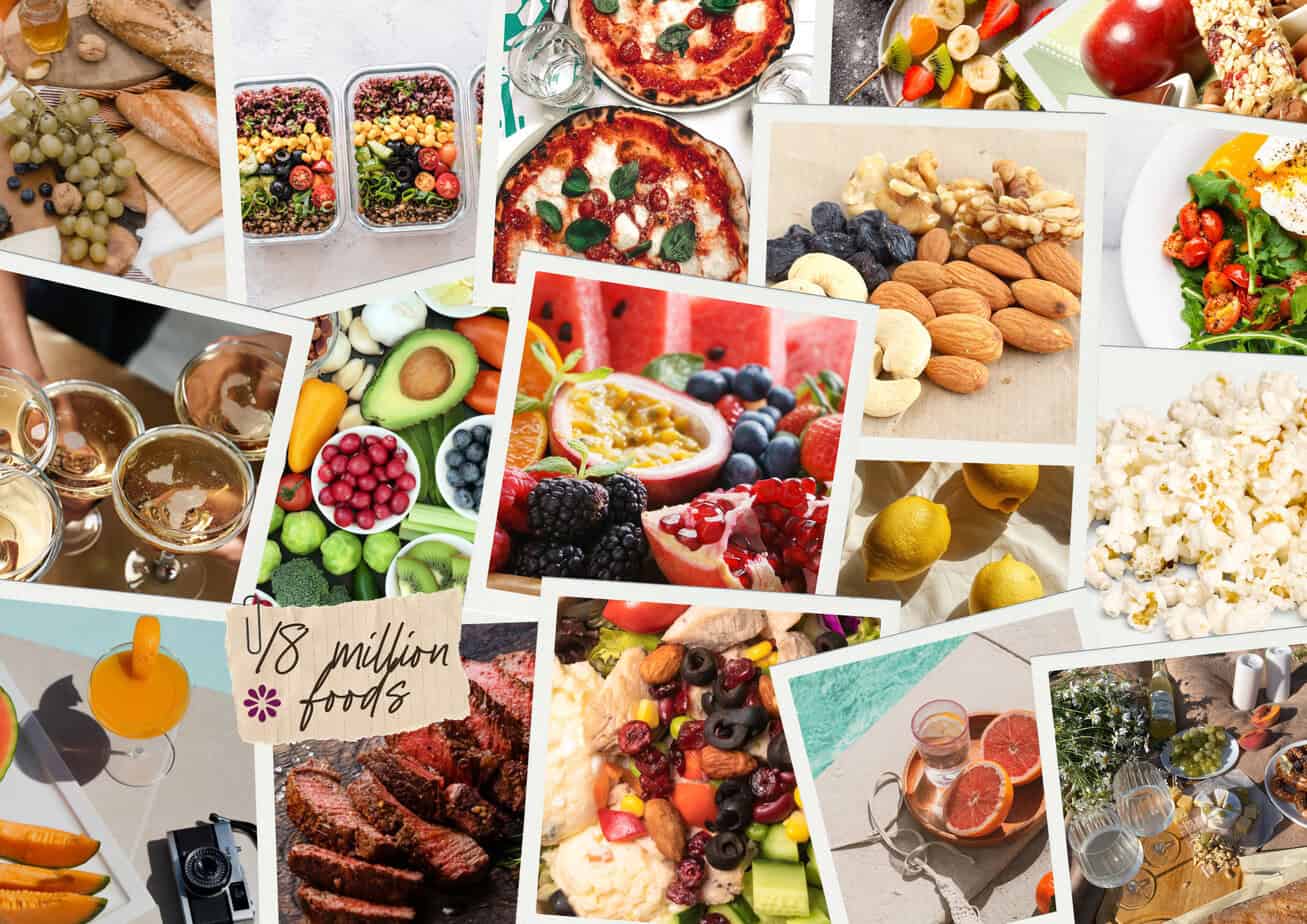
With over 18 million foods (everything from grocery brands to restaurant favorites), our database makes logging smarter, faster, and more useful for daily diabetes management.
The Importance of Logging Accuracy
When it comes to food logging, accuracy matters—but perfection isn’t the finish line.
Tracking your food helps you understand carbs, protein, fiber, and fat (all of which influence blood sugar), but you don’t need to log every crumb or obsess over flawless entries to see progress.
Consistency is where the magic happens.
Even partial logs give you valuable insights—like which snacks send your glucose on a rollercoaster or which meals keep things steady.
📊 Fun fact: Users who log at least four days in their first week are more likely to show progress toward their health goals than those who don’t. So, do your best, stay consistent, and let go of the pressure to be perfect.
And when accuracy is your priority, Glucose Guide’s barcode scanner, smart search, and (coming soon) voice logging make the process faster and less stressful.
Common Challenges (and How to Beat Them)
If you’ve ever felt unsure about portion sizes or found two wildly different entries for the same food, you’re not alone. Here are some common challenges—and ways to outsmart them:
- Portion guesswork: A giant burrito might look like “one serving,” but nutritionally, it could be closer to two, or even three.
- Plate illusions: Bigger plates make portions look smaller, while smaller plates exaggerate size.
- Food variability: “Chicken salad” at one café isn’t the same as “chicken salad” at another.
- Crowd-sourced entries: Even in an 18-million-food database, human submissions can vary.
👉 Tips for tackling this:
- Use a scale or measuring cups occasionally to “train your eyes.”
- Learn the go-to visuals for your staples (what one tablespoon of peanut butter actually looks like).
- Check packaging and restaurant nutrition info when available.
- Remember: awareness is more important than perfection.
Where All Those Foods Come From
Think of our database like a giant food library—except instead of dusty encyclopedias, you’ll find nutrition info that directly supports your blood sugar goals. We build it with:
- Official sources: Verified nutrition databases and food labels.
- Restaurants & brands: Everything from chain menus to grocery staples.
- Community submissions: Add your favorites—we review for accuracy.
- Quality control: Tech + human review keep things clean and trustworthy.
Tools That Make Food Logging and Carb Counting a Breeze
Logging should feel quick and helpful, not like homework. Here’s how we make it simple:
- Barcode Scanner: Point, scan, done.
- Smart Search: Find foods by brand, restaurant, or keywords (“low-carb wrap” vs. “white bread”).
- Custom Recipes: Save your homemade meals so you can log them again without extra work.
- Future tools: We’re working toward AI meal recognition and predictive swaps—because logging should be as easy as snapping a photo.
Why This Matters for Your Blood Sugar
Food databases aren’t just about numbers—they’re about insight. With consistent logging, you’ll start to see:
- Patterns: Which foods cause spikes, which ones keep you stable.
- Smart swaps: Replace a 45g carb sandwich roll with a 30g wrap and watch the difference in your glucose line.
- Confidence: Instead of guessing, you’re making choices based on real data and your unique response.
Tips for Getting the Most Out of the Glucose Guide Database
- Be specific in searches. “Starbucks Iced Latte Tall” beats “latte” every time.
- Use the barcode scanner. Fast + accurate.
- Check nutrition info. If a cookie shows “2g carbs,” you know something’s off—flag it.
- Log consistently. Even if you don’t log every meal, steady effort reveals patterns.
- Explore alternatives. If your fave burger spikes you, check for a bunless or lower-carb option.
The Future of Food Tracking and Carb Counting with Diabetes
We don’t just want to help you track—we want to help you predict and plan. That’s why we’re building toward:
- Personalized swaps: Learn from your past logs and get smarter suggestions.
- Glucose insights: Discover how your unique body responds to foods, not just what the label says.
Because your app shouldn’t just keep up—it should help you stay one step ahead.
Glucose Guide’s Diabetes Food Journal gives you tools to learn, experiment, and thrive with diabetes. Every log is another clue in your personal blood sugar story, helping you build habits that feel good and actually work.
Your blood sugar deserves accuracy, flexibility, and maybe even a little fun—and that’s what we’re here for.
👉 Try it today: Explore the database, log your next meal, and see how your choices stack up. And if you’re ready for more, upgrade to premium for custom meal plans, smarter swaps, and deeper insights designed just for you