
This content contains affiliate links, which helps hangrywoman.com to provide free recipes and resources. Thank you for your support of my blog and non-profit organization, Glucose Guide.
Meal planning gets a bad reputation in diabetes spaces. Somewhere along the way, it became synonymous with rigid rules, joyless food, and spreadsheets that feel more like homework than support.
And that’s what I like to avoid where possible.
Each weekly meal plan inside Glucose Guide is built around how people actually eat, live, and manage blood sugars in the real world.
It’s structured enough to reduce decision fatigue, but flexible enough to adapt to real life—missed meals, snack needs, changing schedules, and energy that doesn’t always cooperate.
As a public health nutritionist and someone living with diabetes, here’s what I look for when building a plan like this.
The goal isn’t “perfect.” It’s predictable.
Blood sugars respond best to solid patterns
This plan prioritizes:
- Consistent protein at meals
- Moderate, intentional carbohydrate intake
- Fiber-forward foods that slow digestion
- Enough fat to support satiety without overdoing it
Each day includes breakfast, lunch, dinner, and snacks—because skipping meals or pretending snacks don’t exist doesn’t magically make blood sugars easier to manage. It usually does the opposite.
Calories and macros are estimated on purpose. Precision down to the gram isn’t the goal here; direction is. This gives your body a steady rhythm while leaving room for flexibility. Remember, macros are an estimate here, but give you the general direction.
Changing ingredient amounts and making substitutions will change those macros. Additionally, different brands have different serving sizes and macros across the board.
Why protein shows up everywhere (on purpose)
You’ll notice protein is a big deal in this plan—and that’s intentional.
Protein helps:
- Reduce post-meal glucose spikes
- Support muscle mass and metabolism
- Increase fullness so meals actually last
That doesn’t mean low-carb everything or cutting foods you enjoy. It means pairing carbohydrates with protein and fiber so your blood sugar response is steadier and more predictable.
Think: oats with protein, fruit with fat or protein, pasta with a solid protein anchor. Normal food. Smarter structure.
Snacks aren’t a failure—they’re a strategy
Snacks are included because:
- Blood sugars dip
- Hunger happens
- Life doesn’t run on a meal schedule
In Glucose Guide, snacks are logged intentionally, not treated as an afterthought. Whether it’s a protein shake, fruit with fat, or even something calorie-free like tea or coffee, snacks are part of the data story—not something to hide or “fix.”
That matters, especially for insulin users and anyone learning how timing affects glucose trends.
Foods you can expect this week:

Spinach Feta Muffins
Savory, protein-forward muffins made with spinach and feta that work just as well for breakfast as they do for a snack. These are easy to prep ahead, low in carbohydrates, and built to keep blood sugars steady without feeling restrictive. They’re one of those meals that quietly do a lot of heavy lifting.
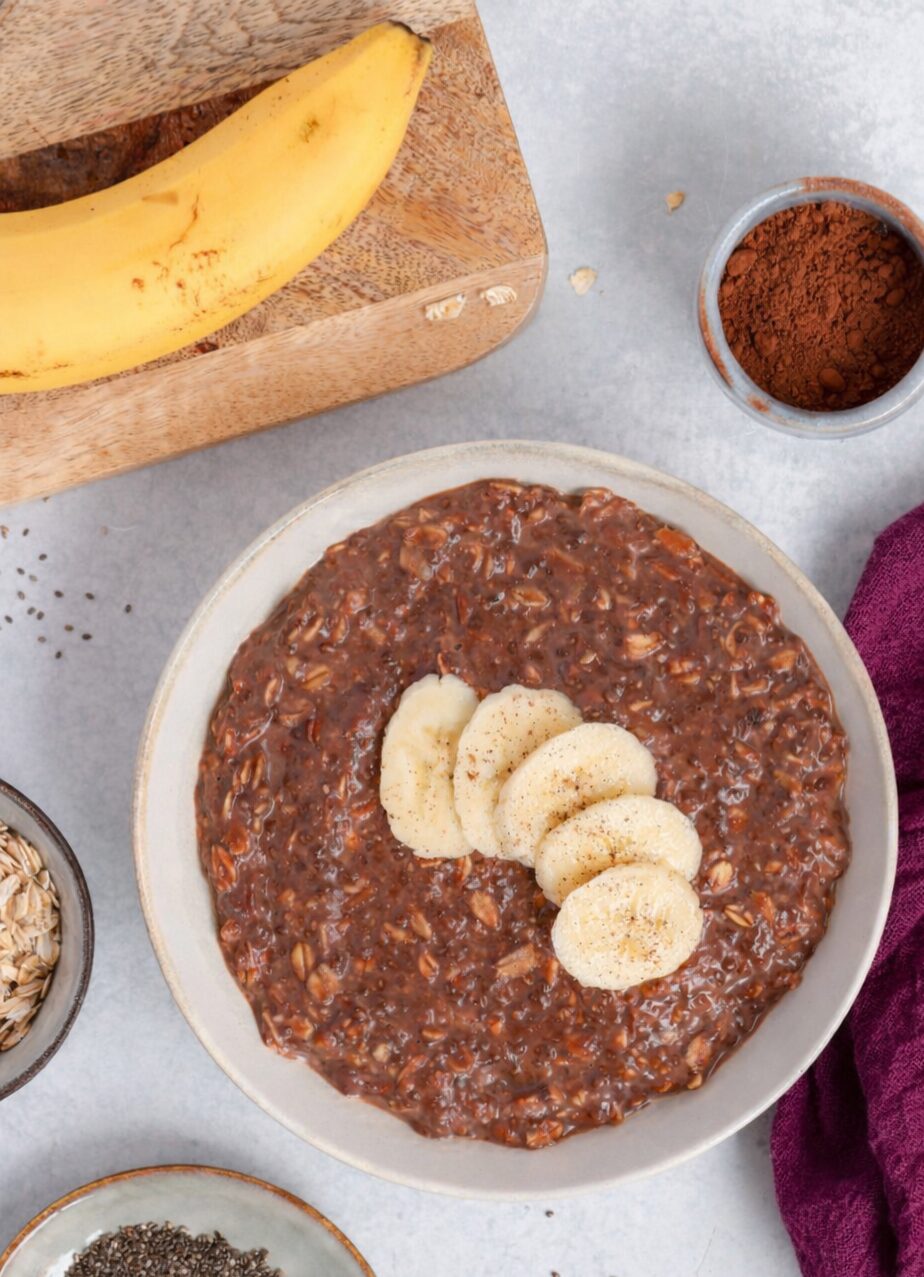
High-Protein Chocolate Banana Oats
A balanced take on oatmeal that pairs slow-digesting carbs with protein to support energy and smoother glucose response. The combination of oats, chocolate protein powder, and banana makes this feel familiar and satisfying, not like a compromise breakfast.
Easy Cucumber Chicken Salad
Light, fresh, and protein-rich, this chicken salad leans on crisp cucumber and a simple dressing instead of heavy add-ins. It’s low in carbohydrates, easy to assemble, and ideal for lunches that need to keep you full without weighing you down.
Sheet Pan Chicken & Vegetable Bake
A low-effort, high-reward meal built around roasted chicken and fiber-rich vegetables. Everything cooks together on one pan, making it practical for busy weeks while still supporting balanced blood sugars and consistent protein intake.
Baked Salmon & Peppers
Oven-baked salmon paired with roasted peppers delivers healthy fats, high-quality protein, and bold flavor without complicated prep. This meal is especially supportive for satiety and post-meal glucose stability, making it a reliable dinner option.
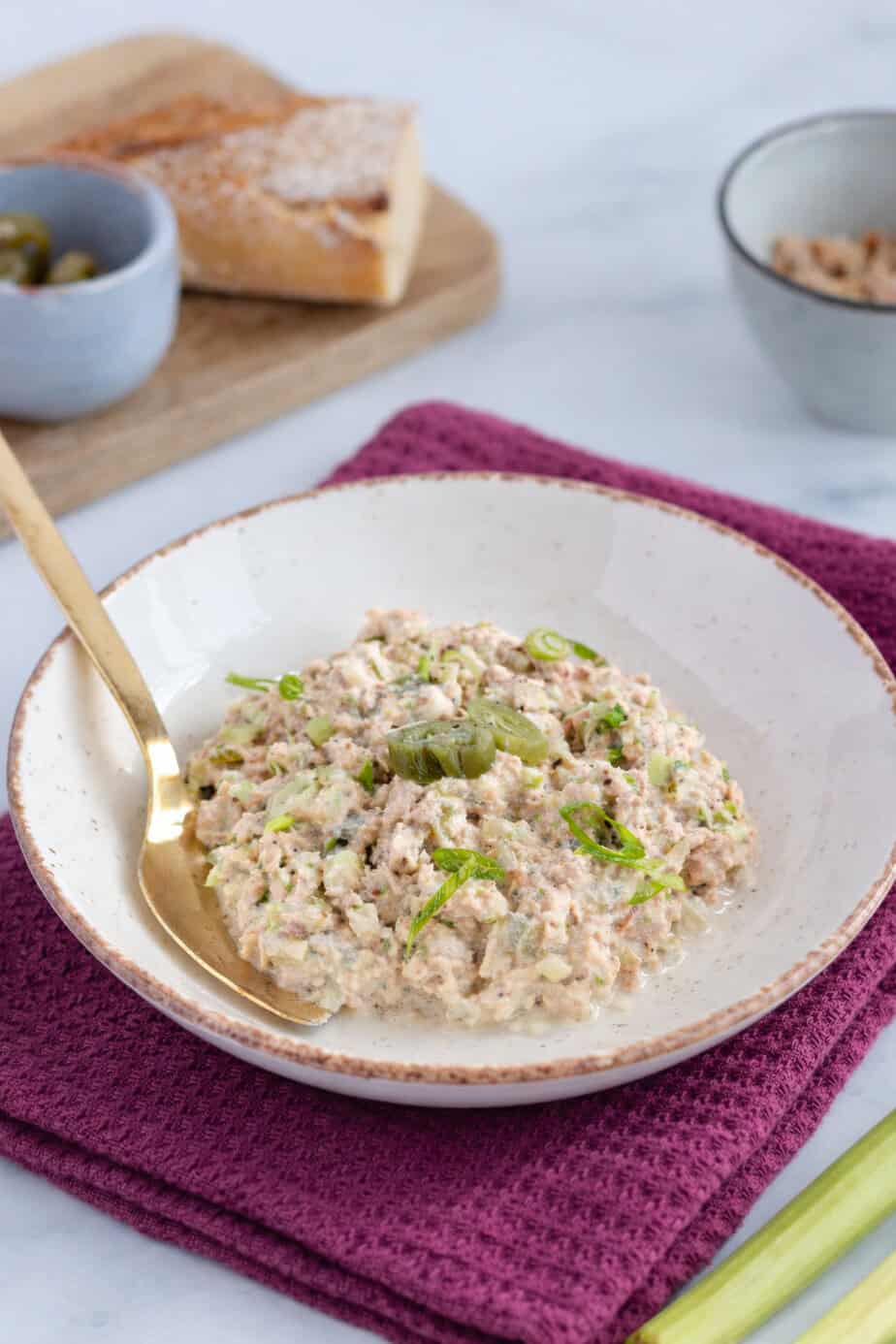
Tuna & White Bean Protein Dip
A creamy, savory dip that combines tuna and white beans for protein and fiber in one dish. Served with vegetables, it works as either a light meal or a snack-style lunch that still holds up nutritionally.
Chicken & Zucchini Fritters
These fritters blend lean chicken with shredded zucchini for a lower-carb dinner that doesn’t feel sparse. They’re flavorful, filling, and a great example of how vegetables can support volume and texture without pushing carb counts up.
Garlic & Beef Pasta
A balanced pasta dish that centers lean beef and garlic-forward flavor while keeping portions intentional. This meal shows how pasta can absolutely fit into a diabetes-friendly plan when it’s paired thoughtfully with protein.
Protein Apple Salad
Sweet, crunchy, and satisfying, this snack pairs apple slices with protein and fat to slow digestion and prevent quick glucose spikes. It’s a great example of how fruit doesn’t need to be avoided — it just benefits from the right support.
Chocolate PB Protein Shake
A quick, reliable snack option that delivers protein fast without a big carb load. This shake works well between meals or after activity, especially on days when appetite and energy don’t line up neatly.
Yogurt & Ricotta Berry Whip
A creamy, lightly sweet breakfast that combines yogurt, ricotta, and berries for protein, fiber, and flavor. It feels indulgent while still supporting steady blood sugars, making it a strong option for mornings when you want something gentle but nourishing.
Why this lives inside Glucose Guide
This plan isn’t just a list of meals—it’s built to work with your data.
Inside Glucose Guide, meals connect to:
- Your food journal
- Blood sugar patterns
- Habit tracking
- Weekly insights
Instead of guessing why a day went sideways, you can actually see what’s happening and adjust without shame or extremes.
That’s the difference between meal planning as control and meal planning as support.
A plan you can follow—and change
This weekly meal plan isn’t a mandate. It’s a starting point.
Swap meals. Repeat favorites. Adjust portions. Eat something totally different one night. The structure is there to support you, not box you in.
If food has ever felt like the hardest part of diabetes, this is meant to make it feel simpler, calmer, and more doable—one meal at a time.
Want to try it yourself?
The full weekly diabetes meal plan, food logging, and pattern insights live inside the Glucose Guide Diabetes Food Journal. It’s built to help you eat with confidence, not anxiety.
Start exploring at https://heygigi.app