
This content contains affiliate links, which helps hangrywoman.com to provide free recipes and resources. Thank you for your support of my blog and non-profit organization, Glucose Guide.
You are trying to think about carbs, hunger, protein, blood sugar trends, your schedule, your budget, and whether you have the energy to cook something that is not just cheese and vibes. That is exactly why I put together this week’s Glucose Guide meal plan.
This is not a rigid “eat perfectly or else” plan. It is a practical, high-protein, diabetes-friendly meal plan built to help you feel more supported, more satisfied, and a lot less stuck. It follows the kind of structure that tends to work well for blood sugar support: balanced carbohydrates, consistent protein, fiber-rich foods, and meals that are realistic enough to repeat in real life.
The plate method and carb-aware meal planning are both widely recommended tools for diabetes management, and both show up naturally in this plan.
In this diabetes-friendly meal plan post
- Quick answer: Is this a good diabetes meal plan?
- What makes this week’s meal plan different?
- Why protein matters in a diabetes meal plan
- Are carbs included in this diabetes meal plan?
- How fiber and balanced meals support blood sugar
- What a typical day on this plan looks like
- How to use this meal plan if you have diabetes
- Why meal planning support matters for diabetes
- The bottom line on this week’s diabetes meal plan
- Want to lower that A1C with one-on-one coaching?
Quick answer: Is this a good diabetes meal plan?
Yes — this week’s plan is built around the basics that many people with diabetes need most:
- Protein at every meal
- Carbohydrates paired with protein, fat, and fiber
- Simple meals you can prep, repeat, and adjust
- Balanced portions instead of extremes
- Flexible choices that work in everyday life
That matters because diabetes meal planning is not just about avoiding food. It is about building meals that help you stay nourished, support steadier energy, and make blood sugar responses easier to understand.
What makes this week’s meal plan different?
This week’s plan leans into high-protein, moderate-carb meals with ingredients that are familiar, filling, and not wildly complicated.
You will see meals like:
- Chia seed pudding with almond milk and berries
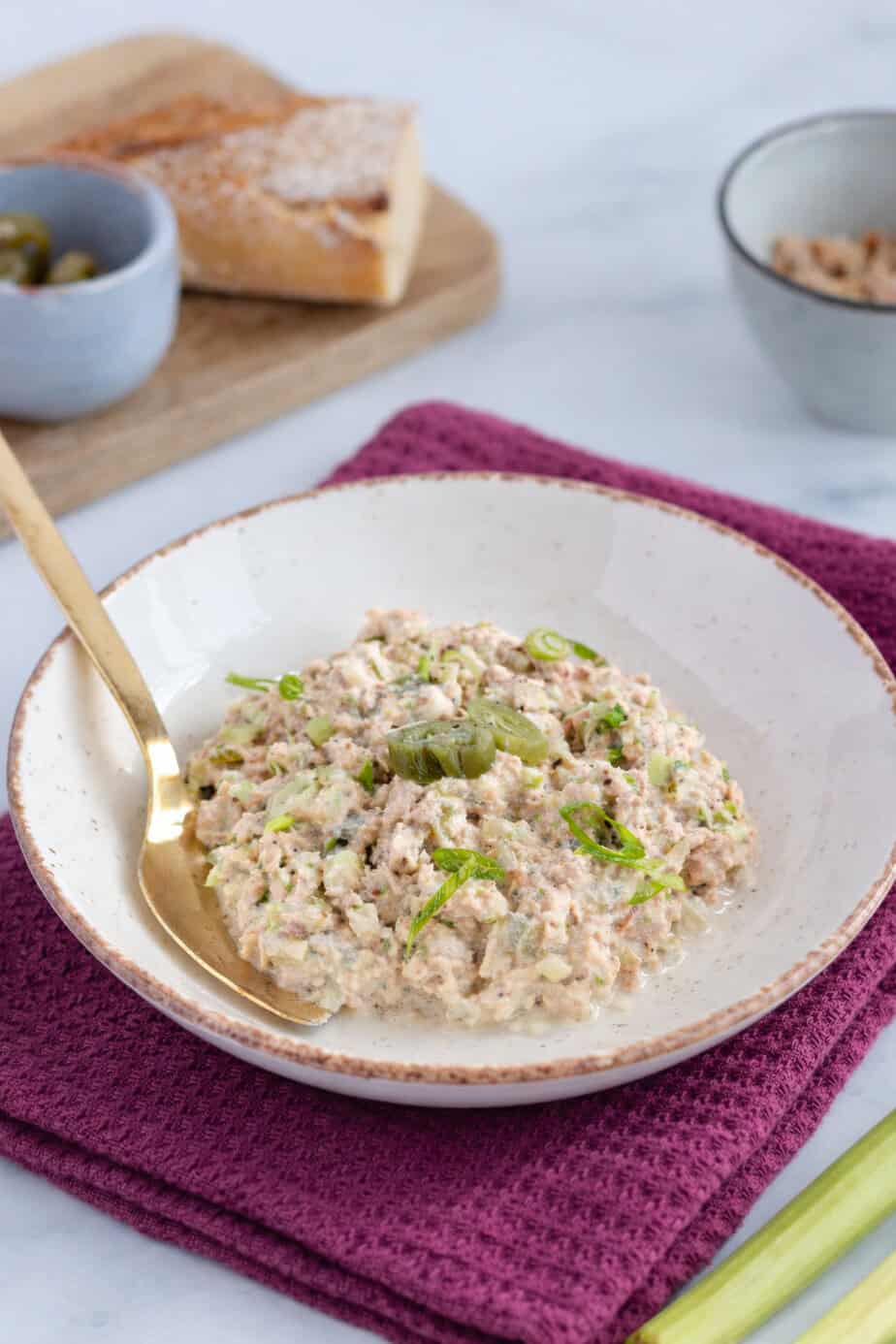
- Tuna salad with jalapeño mayo
- Grilled salmon salad with avocado
- Protein pancakes with blueberries and Greek yogurt
- Baked cod with spinach and brown rice
- Moroccan-spiced chicken with chickpeas
- Vegetable egg dishes, yogurt bowls, soups, and sheet pan dinners
The goal is to make food choices feel more manageable and satisfying.
Why protein matters in a diabetes meal plan
One of the biggest themes in this week’s plan is protein consistency.
You will see protein coming from chicken, turkey, tuna, eggs, Greek yogurt, tofu, salmon, shrimp, cottage cheese, and beef. That is intentional. Protein can help meals feel more satisfying and can make it easier to stay full between meals.
It also helps anchor meals that include carbohydrates, which is often useful for people trying to create more stable routines around eating.
The ADA’s nutrition guidance emphasizes meal patterns that include nutrient-dense foods and appropriate portion sizes, including balanced combinations of vegetables, protein, and quality carbohydrates.
From a coaching perspective, higher-protein meals can also help with something people do not talk about enough: food calm.
When meals are more satisfying, there is often less grazing, less “what else can I eat?” frustration, and less of that weird emotional spiral where you finish a meal and immediately go hunting for snacks like your kitchen owes you money.
Are carbs included in this diabetes meal plan?
Yes. On purpose.
This plan does not treat carbohydrates like a villain in a very dramatic movie. It uses them strategically and pairs them well.
Across the week, carbohydrates come from foods like:
- Berries
- Oats
- Quinoa
- Brown rice
- Sweet potato
- Pear
- Kiwi
- Apple
- Chickpeas
- Whole wheat toast
That aligns with current diabetes nutrition guidance. The ADA notes that carbohydrates affect blood glucose, but the goal is not to eliminate them — it is to choose nutrient-dense carbohydrate sources that are rich in fiber, vitamins, and minerals and lower in added sugars and less helpful extras.
So yes, you can eat carbs with diabetes. The bigger question is usually: what are you pairing them with, and how does that combination work for your body?
That is why this plan includes carbs alongside protein and fiber rather than leaving them to freestyle.
How fiber and balanced meals support blood sugar
Fiber shows up throughout this meal plan through chia seeds, berries, vegetables, oats, beans, carrots, pears, kiwi, chickpeas, and whole grains.
That matters because fiber can help meals feel more satisfying and support a more balanced eating pattern overall. The ADA’s plate method also centers non-starchy vegetables, protein, and quality carbohydrates as a practical way to build balanced meals without needing to micromanage every bite.
This is one reason I like plans like this for coaching: they teach balance by repetition.
Instead of saying “just eat better,” the plan quietly shows you what that can look like:
- A carb source that gives energy
- A protein source that helps with fullness
- Fiber-rich produce or plant foods
- Meals that do not rely on perfection to be effective
Over time, that kind of pattern recognition is more useful than memorizing a list of “good” and “bad” foods.
What a typical day on this plan looks like
A day on this plan might look like:
Breakfast
A high-protein or fiber-rich option like chia pudding, a veggie egg dish, oatmeal with walnuts, or Greek yogurt parfait.
Lunch
A protein-centered meal with vegetables and a moderate carbohydrate source, like turkey and quinoa salad, tofu stir-fry with brown rice, or shrimp salad with avocado.
Dinner
A balanced plate built around lean protein, vegetables, and a carb that makes sense for the meal, like cod with spinach and rice, chicken with cauliflower and quinoa, or beef and vegetable stew.
Snack
Something simple but supportive, like Greek yogurt with pecans, celery with almond butter, cottage cheese with kiwi, or apple slices with almonds.
I want to offer you practical tools that help you decide what, when, and how much to eat in a way that supports your health and blood sugar goals.
How to use this meal plan if you have diabetes
You do not have to follow this plan perfectly for it to help you.
Here is the better approach:
Use it as a guide, not a test
You are not getting graded by your sweet potato.
Repeat meals you like
If a breakfast or lunch works well for you, repeat it. Consistency is not boring when it reduces stress.
Swap similar ingredients
No cod? Use another fish. No quinoa? Try brown rice. Hate cottage cheese? Fair. Pick another protein-rich snack.
Watch your own patterns
Notice which meals keep you full, which ones feel easy to prepare, and which ones seem to work well with your blood sugar.
Why meal planning support matters for diabetes
A meal plan is not just a list of food ideas. At its best, it is a coaching tool.
It can help you:
- reduce decision fatigue
- create more consistency
- learn how different meals affect your blood sugar
- stop reinventing dinner every single night
- build confidence around food instead of fear
And that matters because strong diabetes coaching is not about giving people a gold star for eating grilled chicken. It is about helping them understand their patterns, work with real-life constraints, and build habits that are sustainable.
The bottom line on this week’s diabetes meal plan
This week’s Glucose Guide meal plan is built to make diabetes care feel a little more doable.
It uses a mix of high-protein meals, fiber-rich ingredients, balanced carbs, and repeatable meal ideas to support fullness, steadier energy, and more confidence around food. It is not about eating perfectly. It is about eating in a way that feels more supportive, more predictable, and more realistic for your life.
If you are tired of guessing what to eat, this is the kind of structure that can help you reset without falling into restriction, confusion, or burnout.
And honestly, that is the kind of meal planning I want more people to have access to.
Want to lower that A1C with one-on-one coaching?
Want more support with meal planning, food tracking, and understanding your patterns around meals and blood sugar? Try the Diabetes Food Journal and the Glucose Guide Community