
This content contains affiliate links, which helps hangrywoman.com to provide free recipes and resources. Thank you for your support of my blog and non-profit organization, Glucose Guide.
If you live with diabetes long enough, someone will eventually make you feel like carbohydrates are the villain in your story.
The bread is suspicious.
The rice is “too much.”
The fruit is “risky.”
The pasta feels like a personal attack.
But here’s the truth I wish more people heard early on:
Carbohydrates are supposed to raise your blood sugar. That’s their biological job.
When you eat carbs, they break down into glucose. That glucose enters your bloodstream. Your body releases insulin so your cells can use that glucose for energy.
With diabetes, this process is wonky. Your body may not make enough insulin, may not use it efficiently, or may need support from medication. That means glucose can stay in the bloodstream longer and rise higher than intended.
This rise is a reflection of how your body processes energy.
Through movement, medication, and choosing supportive food combinations, you can influence how your blood sugar responds after eating carbohydrates.
Exercise helps your muscles use glucose more efficiently. Medication supports insulin action. Balanced meals slow digestion and soften glucose rises.
Together, these tools help shape the outcome.
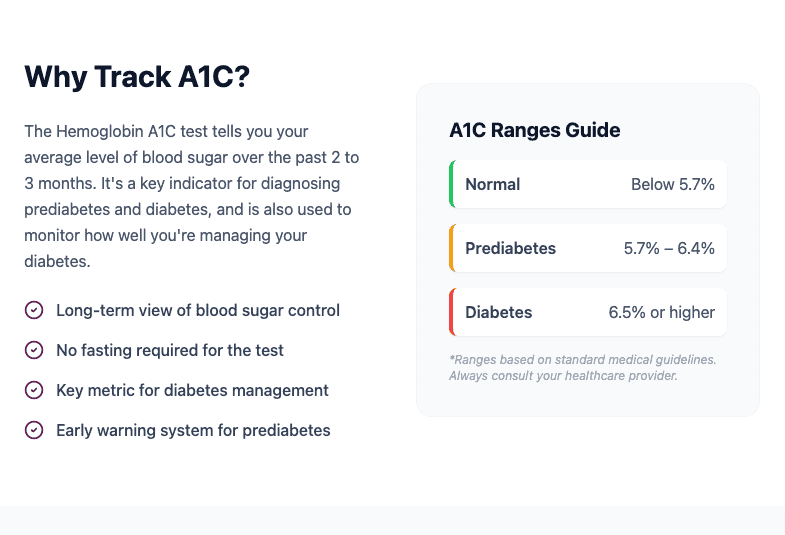
The real goal is not to “never spike.” The real goal is learning how to balance that rise so it stays within your target range, supports your A1C, and protects your time-in-range.
And it’s a skill that takes some practice to build.
Understanding Blood Sugar and Carbohydrates
To manage blood sugar well, it helps to understand what is actually happening inside your body. When you understand the system, the shame tends to fall away.
What Is Blood Sugar?
Blood sugar, also called blood glucose, is the amount of glucose circulating in your bloodstream at any given moment.
Glucose comes from three main sources:
- Carbohydrates you eat
- Some protein you consume
- Glucose released by your liver
Your brain, muscles, and organs rely on glucose to function. You cannot live without it.
After you eat, glucose enters your bloodstream and insulin helps move that glucose into your cells. If your body does not make enough insulin, does not use it efficiently, or needs medication support, this process becomes harder. That is where diabetes comes in.
A rise in blood sugar after eating is normal. What matters most is the size of the rise, how fast it happens, and how long it stays elevated.
What is a normal blood sugar rise after eating?
For someone without diabetes, blood sugar usually rises gently after eating, peaks within about 60 to 90 minutes, and then returns close to their starting level within two to three hours.
In practical terms, this often looks like:
- A rise of about 30 to 50 mg/dL after a balanced meal
- A peak that typically stays below 140 mg/dL
- A gradual return toward baseline within two hours
The curve is smooth, not sharp. It looks more like a hill than a cliff.
For people with diabetes, this process often looks different. Blood sugar may rise faster, peak higher, and stay elevated longer because insulin action is delayed, reduced, or requires medication support.
That does not mean your body is failing.
It means your system needs more intentional support.
With balanced meals, appropriate medication, and movement, many people with diabetes can still aim for post-meal numbers that:
- Stay under 180 mg/dL
- Begin coming down within two hours
- Spend most of the day in target range
Staying within range reduces long-term strain on your body while still living a full life that includes real food.
The Role of Carbohydrates
Carbohydrates raise blood sugar more than fat or protein because they are broken down into glucose quickly. This is why carbs provide fast energy and support brain and muscle function.
Carbohydrates are not “bad.” They are powerful.
Learning how to use carbohydrates skillfully is what protects your blood sugar.
Why Blood Sugar Spikes Happen
Many people ask, “Why does my blood sugar spike so much when I eat carbs?”
Most spikes happen because of common physiological and lifestyle factors, including:
- Eating carbohydrates without protein or fiber
- Low-fiber or highly processed foods
- Large portions without balance
- Liquid carbohydrates like juice or sweetened drinks
- High stress levels
- Poor sleep
- Hormonal changes
- Changes in insulin sensitivity
Blood sugar spikes are information. They are your body showing you how it responded to a specific situation. They are data, not moral judgments.
Tips for Eating Carbs and Lessening the Blood Sugar Spike
Learning how to eat carbohydrates without major blood sugar spikes is about building a few core skills. These are the same strategies I teach repeatedly as a health coach.
If you don’t get it on the first try, don’t worry. It really takes practice and consistency to make these decisions, and see improved blood sugars from these shifts. You really have to
Choose Lower Glycemic Index Foods When Possible
The glycemic index measures how quickly a food raises blood sugar compared to pure glucose. Lower glycemic index foods tend to digest more slowly and cause smaller rises.
Examples of lower-GI or slower-digesting choices include:
- Steel-cut oats instead of instant oats
- Brown rice instead of white rice
- Beans and lentils
- Whole fruit instead of fruit juice
- Sweet potatoes instead of fries
This does not mean you must avoid higher-glycemic foods forever. It means you learn how to support them with balance.
Pair Carbs with Protein and Fiber
One of the most effective ways to reduce blood sugar spikes is to pair carbohydrates with protein and fiber.
I teach this as a simple formula:
- Carbohydrates
- Protein
- Fiber
- Some healthy fat
Together, these create more stable blood sugar.
Protein and fiber slow digestion. They slow how quickly glucose enters your bloodstream. This leads to lower peaks, slower rises, easier insulin matching, and more time in range.
Here is what that looks like in real life:
Instead of:
- White Toast alone
Try:
- Whole grain, or Sourdough Toast with eggs and avocado
Instead of:
- Rice by itself
Try:
Instead of:
- Cereal alone
Try:
- Cereal with Greek yogurt and nuts
You are not removing carbs. You are giving them support.
Eat Foods in a Strategic Order
The order you eat foods can influence your glucose response.
When possible, try:
- Vegetables first
- Then protein
- Then carbohydrates
Eating fiber and protein first slows glucose absorption and softens the spike. This does not need to be perfect. It is simply another tool you can use when it fits your real life.
Be Mindful of Portions Without Policing Yourself
Portion awareness is not restriction. It is feedback.
Two cups of pasta will affect blood sugar differently than one cup. That is not failure. That is math.
Carb tolerance can change over time due to:
- Stress
- Hormonal shifts
- Aging
- Medication changes
- Muscle mass
- Diabetes progression
When your needs change, you adapt. You do not punish yourself.
Use Your Data as a Coach, Not a Critic
Blood sugar numbers are meant to teach you, not shame you.
When you see a spike, ask:
- What did I eat?
- What did I pair it with?
- How did I sleep?
- Was I stressed?
- Was anything different that day?
Patterns matter more than perfection. Over time, these patterns help you build confidence.
Practical Meal Ideas for Balanced Blood Sugar
Balanced meals for diabetes do not require special “diabetic foods.” They are simply meals that include carbohydrates, protein, fiber, and fat.
Here are real-life examples.
For breakfast:
- Greek yogurt with berries, chia seeds, and nuts
- Scrambled eggs with whole grain toast and sautéed spinach
For lunch:
- Brown rice, grilled chicken or tofu, roasted vegetables, tahini
- Chickpea salad with cucumber, feta, olive oil, whole grain pita
For dinner:
- Salmon, sweet potato, broccoli, olive oil
- Vegetable stir-fry with shrimp or tempeh, rice, sesame oil
For snacks:
- Apple with peanut butter
- Crackers with hummus
- Cheese with fruit
- Protein shake with berries
Notice the pattern. Balanced food, not restrictive food.
How to Balance High-Carb Meals at Restaurants and Social Gatherings

One of the hardest parts of managing blood sugar is eating in places where you are not choosing the ingredients, portions, or combinations yourself.
At restaurants, parties, holidays, and gatherings, meals are often heavier in refined carbs, lower in fiber, and built around foods that digest quickly. That does not mean you have to avoid these spaces. It means you use strategy instead of restriction.
The goal in these situations is not perfection. The goal is reducing the intensity of the spike and helping your body recover more quickly.
Start with Protein and Vegetables When You Can
If there is any opportunity to begin your meal with protein or vegetables, take it.
This might look like:
- Eating salad or veggies before the main dish
- Starting with grilled chicken, fish, or beans
- Prioritizing the protein portion first
Eating fiber and protein early slows digestion and softens how quickly glucose enters your bloodstream.
You are building a buffer before the carbs arrive.
Build a “Support Plate” Even When Options Are Limited
You may not be able to design a perfect plate, but you can usually create some balance.
Look for ways to include at least two of these:
- A protein source
- A vegetable or salad
- A healthy fat
Then enjoy the carbohydrate.
For example:
- Pasta + chicken + side salad
- Burger + veggies + small fries
- Tacos + beans + grilled meat
- Rice dish + fish + slaw
You are not “earning” the carb. You are supporting it.
Use Portion Strategy to Understand Your Plate
You do not have to measure or explain anything to anyone.
Simple strategies include:
- Eating half now and half later
- Sharing large portions
- Leaving a few bites behind
- Ordering a smaller side
This is not about deprivation. It is about matching the portion to your body’s current capacity.
Walk It Out When Possible
Light movement after meals is one of the most underrated blood sugar tools.
A 10 to 20 minute walk after eating helps your muscles use glucose without extra insulin. This can noticeably reduce post-meal spikes.
At gatherings, this might look like:
- Walking around the venue
- Helping clean up
- Stepping outside for a short walk
- Taking a lap around the block
It does not need to be intense. It needs to be consistent.
Hydrate and Avoid Stacking Sugary Drinks
Drinks often matter more than people realize.
Sweet tea, soda, cocktails, and juice can stack on top of an already high-carb meal and push glucose much higher.
Helpful swaps include:
- Water with lemon
- Sparkling water
- Unsweetened tea
- Alternating alcohol with water
You are protecting your baseline.
Use Medication and Insulin as Tools, Not as Proof of Failure
If you use insulin or glucose-lowering medication, social meals are exactly when they are meant to help.
Needing medication support at a restaurant does not mean you ate “wrong.” It means you used the tools available to you.
That is responsible self-care.
Focus on Recovery, Not Regret
Sometimes, despite your best strategies, your blood sugar will still rise.
When that happens, the healthiest response is:
- Gentle movement
- Hydration
- Returning to balanced meals
- Reviewing patterns later
Not shame. Not restriction. Not punishment.
One high-carb meal does not undo your health.
Your long-term habits matter far more than one plate.
You are allowed to enjoy food in community.
You are allowed to eat cake at weddings.
You are allowed to eat pasta on vacation.
You are allowed to participate in culture, family, and celebration.
Managing diabetes is not about opting out of life.
It is about learning how to show up prepared.
That is skill. That is resilience. That is mastery.
A Coach’s Perspective on Eating Carbs with Diabetes
In my work, I see the same struggle over and over.
People do not struggle because they eat carbohydrates. They struggle because no one taught them how to work with carbohydrates.
As a result, many people either:
- Avoid carbs and feel deprived
- Eat them and feel guilty
Neither approach builds confidence.
Learning balance changes everything. When you understand how to build meals that support your blood sugar, you stop fearing food and start trusting yourself.
That trust is what leads to sustainable health.
Try This This Week
For the next five days, choose one main meal each day and try this experiment.
- Add a clear protein source
- Include at least one high-fiber vegetable
- Keep your usual carbohydrate
- Observe what happens to your blood sugar
No judgment. Just curiosity.
You are learning your body’s language.
Final Thoughts on Eating Carbs Without Spikes
Carbohydrates are not your enemy. They are fuel.
Your goal is not to eliminate them. Your goal is to work with them.
When you learn how to balance carbohydrates with protein, fiber, and healthy fats, you protect:
- Your time-in-range
- Your A1C
- Your energy
- Your confidence around food
You move from fear to skill. From restriction to trust.
And that is something anyone can learn.