Go ad-free in our community
@glucoseguideapp
Macro and Glucose Tracking, Meal Plans, Label Scanning & Meal Analysis in one place. Download the Diabetes Food Journal App.
Find us on the App Store
@glucoseguideapp
Get the Diabetes Food Journal and Community app on iOS for our Ad-free experience.
Download on Google Play
@glucoseguideapp
Get the Diabetes Food Journal and Community app on Google Play for our Ad-free experience.
b l o g


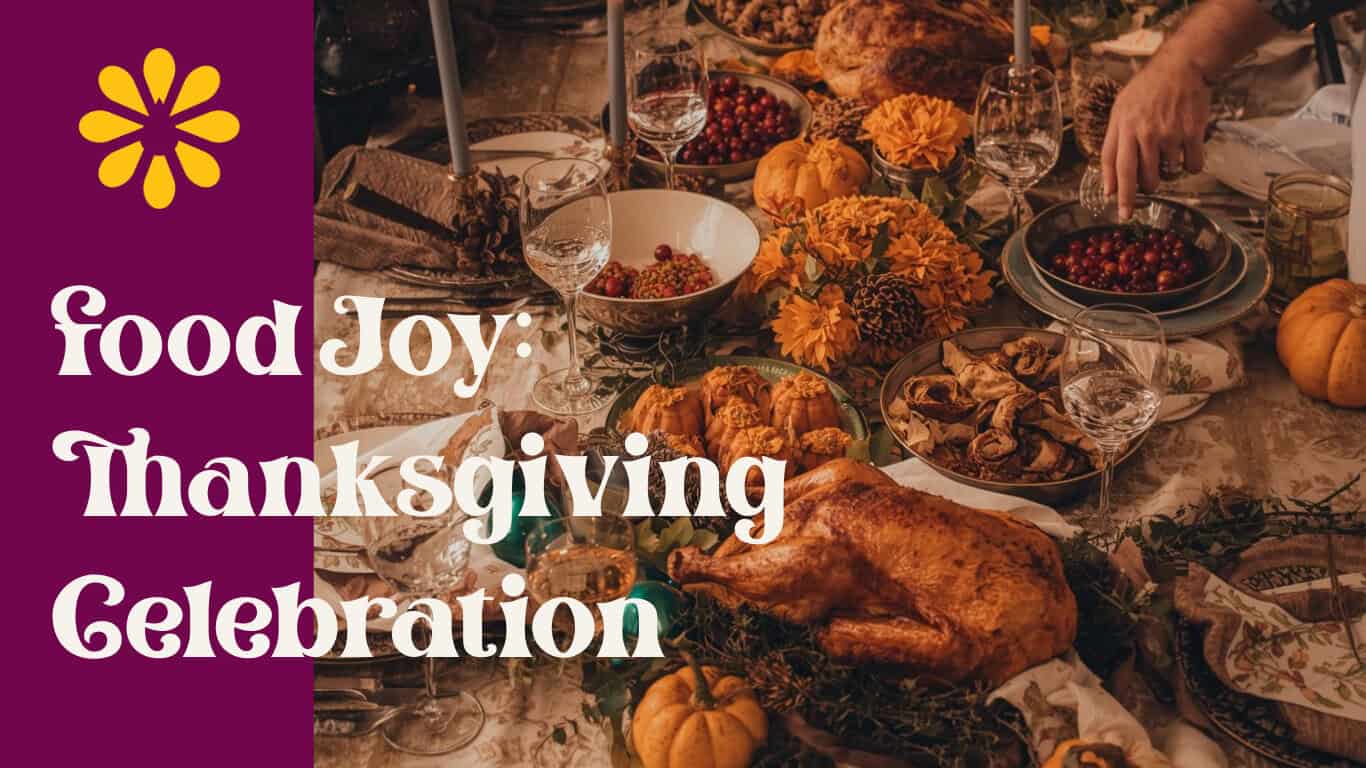
Holiday Eating Tips for People With Diabetes: Intuitive Eating, Portion Confidence & Finding Real Food Joy During the Holidays

Go ad-Free with
glucose guide app

Transform the way you manage diabetes with free tools and support designed just for you from a board certified health coach.

🥐 Carb estimation and analysis tools.
🍳 Cook with Confidence: Meal plans, grocery lists + carb tracking.
💡 Coaching at Your Fingertips: Expert guidance to stay on track
🤝 Join a Thriving Community: Connect with others who get it
💪 Build Your Confidence: Take charge of your health with ease
🚫 No Display Ads 

Feel supported, empowered, and in control.

The holidays bring comfort food, celebration… and sometimes, a little diabetes stress. This guide helps you enjoy the season with intuitive eating, intentional portions, simple movement, and real food joy—so you can savor what you love without feeling overwhelmed.

Share

Key Takeaways

  • Enjoy the holidays with diabetes by practicing intuitive eating and listening to your body’s needs.
  • Portion with intention by filling your plate mindfully and savoring each bite without feeling restricted.
  • Engage in joyful movement like family walks or dancing, rather than structured workouts.
  • Focus on food joy by choosing meaningful foods and staying present during meals.
  • Give yourself grace during the holidays; it’s okay if things don’t go perfectly.

The holidays come with their own special kind of magic — twinkly lights, familiar recipes, second cousins you haven’t seen since last year… and of course, food. A lot of food. For those managing diabetes, holiday tips can be invaluable to maintain health while enjoying the festive season.

And if you’re living with diabetes, that can stir up a whole mix of emotions. Excitement, stress, cravings, nostalgia, and that little whisper of “Wait… can I eat this?”

I want to give you a deep breath and a gentle reminder:


Yes, you can enjoy the holidays. Yes, you can eat the foods you love. And yes, you can do it in a way that supports your body and your blood sugars.

Here’s how to approach the season with confidence, intention, and actual food joy — the kind that feels like an exhale, not a math equation.

Start With Intuitive Eating

Intuitive eating isn’t “eat whatever, whenever.” It’s actually about tuning in:

  • Am I hungry right now, or is this emotional/peer pressure/nervous eating?
  • What flavor or texture would feel good?
  • What will support my blood sugars and still let me enjoy this meal?

This tiny pause helps you choose what you actually want, not what’s just sitting on the buffet whispering your name.

Intuition gives you permission and groundedness at the same time — a sweet combo during a busy season.

Portion With Intention, Not Restriction

Restriction feels like punishment.
Intention feels like self-respect.

Try this balance tool:

  • Fill half your plate with veggies
  • Add a quarter plate of protein
  • Save the last quarter for your carbs of choice — the ones that spark real joy

Then savor it. Slowly. Warmly. Like you deserve to.

You’re not “cheating” or “breaking rules” — you’re honoring your body and celebrating.

Move in Ways That Bring You Joy (and don’t disrupt family time)

A holiday workout does not require a gym membership or a 5 a.m. alarm.

Try these instead:

  • A family walk after a big meal
  • Dancing in the kitchen as your meal is simmering (my personal favorite cardio)
  • A quick stretch before bed
  • Playing with kids or pets
  • A few easy bodyweight movements between courses

Movement helps with blood sugars, digestion, mood, and stress — but it shouldn’t steal time from holiday joy. Keep it simple and fun.

Practice Real Food Joy

Food joy is one of my favorite philosophies, especially this time of year.

Food joy means:

  • You savor the foods that mean something to you
  • You skip the foods you’re “supposed” to eat but don’t actually like
  • You give yourself permission to enjoy flavors, memories, and experiences
  • You stay present in the moment instead of spiraling about numbers

Joy is not the enemy of diabetes management.
Joy is nourishment.

Give Yourself Grace (the real holiday superpower)

If your plate looks different, or your numbers wobble a little, or you have a dessert you didn’t plan for — it’s okay.

You’re human.
You’re learning.
You’re navigating a complex condition during a complex season.

Give yourself the same gentleness you give the people around you.

A Heartfelt Note for Giving Tuesday

This year, Glucose Guide — the nonprofit diabetes support platform I run — has been able to reach thousands of people who need accessible, judgment-free help around food and habit change.

We’ve built features to make diabetes less overwhelming:

If Glucose Guide has helped you feel seen, supported, or just a little less overwhelmed, I’d be honored if you’d consider making a Giving Tuesday donation of any amount.

A Special Offer Just for You

As a thank you for being part of this community, I’m sharing a special holiday offer:

🎁 Use code: GIGIBLACKFRIDAY25 for 50% off your Glucose Guide subscription.

Whether you’re joining for the first time or coming back for more support, this code gives you access to every tool we’ve built — at the most affordable rate of the year.

A Final Word

You deserve a holiday season filled with joy, good food, warm memories, and blood sugars that feel manageable (or at least not chaotic).

You deserve grace.
You deserve support.
And you deserve a relationship with food that feels peaceful — not punishing.

I’m rooting for you every step of the way.

If you want this as a downloadable checklist, a social media post, or an email version matching your Glucose Guide voice, I can whip those up too!
Leave a Reply

Your email address will not be published. Required fields are marked *

Another serving?

Diabetes-Friendly Pumpkin Puree

If there’s one ingredient that screams fall vibes louder than pumpkin spice lattes, it’s pumpkin purée.

Grabbing a can from the store is convenient (just double check to make sure it’s pumpkin puree, and not pumpkin pie filling!), making it yourself means you get to control the flavor, texture, and freshness.

Plus, you skip out on any added sugars or preservatives that can sneak into pre-made versions — a win for blood sugar balance!

Pumpkin is naturally rich in fiber, vitamin A, and potassium, all of which support healthy digestion and help your body maintain steady glucose levels.

Research suggests that eating foods high in fiber (like pumpkin!) can improve post-meal blood sugar control by slowing down digestion and glucose absorption.

So whether you’re prepping for a cozy pie, a creamy soup, or a smoothie that tastes like fall in a glass, here’s how to make it from scratch.

Pumpkin Puree on a trivet around fall flavors

Ingredients & Benefits

Ingredients
Pumpkin4 lbs. (1.8 kg), deseeded and halvedNaturally low in carbs and calories, high in beta-carotene and fiber. Helps support stable glucose levels.
Water (for stovetop method)Enough to cover pumpkin chunksKeeps the purée soft without adding calories or fat.

That’s it! No added sugar, no fillers — just pure, wholesome pumpkin goodness.

There are two methods for making your puree. I find them both easy to do, but depending on your kitchen setup, one way may be easier than the other.

Oven Method

  1. Preheat the oven to 400°F (200°C). Line a baking sheet with parchment.
  2. Remove the pumpkin stem. Cut the pumpkin in half and scoop out the seeds and fibers (you can roast the seeds later for a crunchy snack!).
  3. Place the halves flesh-side down on the prepared baking sheet.
  4. Roast for 30–45 minutes, or until a knife slides in easily.
  5. Let cool for about an hour. Scoop out the flesh and blend until smooth.

Stovetop Method

  1. Peel, deseed, and chop the pumpkin into chunks.
  2. Boil in water for 20–25 minutes, until tender.
  3. Drain well and let it cool slightly.
  4. Blend until smooth in a food processor or blender.

Storage Tips

  • Store in an airtight container in the fridge for up to 1 week.
  • Freeze in ½-cup portions for up to 3 months — perfect for smoothies or recipes that call for “just a bit.”

Diabestie Tip

Homemade pumpkin purée has about 7g of carbs per serving with no added sugar, making it a smart and satisfying base for your favorite fall dishes. Pair it with a protein source (like Greek yogurt, nuts, or eggs) to balance your blood sugars even more.

Try It In:

Print
clock clock iconcutlery cutlery iconflag flag iconfolder folder iconinstagram instagram iconpinterest pinterest iconfacebook facebook iconprint print iconsquares squares iconheart heart iconheart solid heart solid icon
Pumpkin Puree on a trivet around fall flavors

Diabetes-Friendly Pumpkin Puree


5 Stars 4 Stars 3 Stars 2 Stars 1 Star

No reviews

Description

Skip the canned stuff! Learn how to make silky-smooth, naturally sweet pumpkin purée right in your own kitchen — perfect for soups, pies, or cozy fall breakfasts. It’s low in carbs, diabetes-friendly, and oh-so-satisfying.


Ingredients

Units Scale
  • 4 lbs pumpkin (deseeded and sliced into smaller chunks)
  • Water – Enough to cover the chunks of pumpkin.
  • Optional – pumpkin spice, or ground black pepper
Instacart Get Recipe Ingredients

Instructions

Oven Method

  1. Preheat the oven to 400°F (200°C). Line a baking sheet with parchment.

  2. Remove the pumpkin stem. Cut the pumpkin in half and scoop out the seeds and fibers (you can roast the seeds later for a crunchy snack!).

  3. Place the halves flesh-side down on the prepared baking sheet.

  4. Roast for 30–45 minutes, or until a knife slides in easily.

  5. Let cool for about an hour. Scoop out the flesh and blend until smooth.

Stovetop Method

  1. Peel, deseed, and chop the pumpkin into chunks.

  2. Boil in water for 20–25 minutes, until tender.

  3. Drain well and let it cool slightly.

  4. Blend until smooth in a food processor or blender.

Notes

Store in an airtight container in the fridge for up to 1 week.

Freeze in ½-cup portions for up to 3 months.

Save and roast the seeds for a delicious snack.

  • Prep Time: 10 minutes
  • Cook Time: 40 minutes
  • Category: Basics, Meal Prep
  • Method: Oven or Stovetop
  • Cuisine: American

Nutrition

  • Serving Size: 1/4 cup
  • Calories: 39
  • Sugar: 3.7 g
  • Sodium: 5.7 mg
  • Fat: 0.3 g
  • Saturated Fat: 0.2 g
  • Carbohydrates: 9.2 g
  • Fiber: 3.3 g
  • Protein: 1.2 g
  • Cholesterol: 0 mg

Diabetes-Friendly Make-Ahead Egg, Spinach & Feta Wraps

🥗 Why This Recipe works as a great diabetes-friendly breakfast

This breakfast wrap balances protein, fiber, and healthy fats — a trio that helps slow digestion and prevent blood sugar spikes after eating. Each ingredient plays a special role in making this both delicious and diabetes-friendly:

  • Eggs: Provide high-quality protein and essential fats that help keep you full and stabilize blood glucose. Eggs are also rich in choline, which supports brain and liver health.
  • Spinach: Low in carbs but high in fiber, magnesium, and antioxidants that can improve insulin sensitivity and reduce oxidative stress.
  • Feta cheese: Adds creaminess and tang while delivering protein and calcium — both great for satiety. The saltiness also balances the sweetness of the onions and tomatoes.
  • Sun-dried tomatoes: Offer a burst of umami flavor and antioxidants like lycopene, which may support heart health. Using the oil from the jar infuses flavor without needing extra butter or added fats.
  • Onions: Bring a gentle natural sweetness when caramelized — no added sugar needed — and contain prebiotic fibers that nourish gut health.
  • Cream cheese: Helps bind the wrap together and adds richness, making the meal more satisfying. Choose a light version if you’re watching fat intake.
  • Whole grain or low-carb tortillas: These add gentle, complex carbs for energy while providing fiber to slow digestion. If you want fewer carbs, go for a low-carb or high-fiber wrap.

Together, these ingredients create a flavorful, balanced meal that hits the Goldilocks zone for energy — not too high, not too low.

If you want to add this to your meal plan, be sure to visit heygigi.app to

How to Make It

  1. Preheat the oven to 375°F (190°C). Lightly grease a baking dish with ½ tsp oil and line with parchment paper, leaving some overhang. Spray the parchment with another ½ tsp oil.
  2. Cook the veggies: In a large pan, heat the sun-dried tomato oil over medium heat. Add onion and cook 8–10 minutes until golden. Stir in sun-dried tomatoes, then spinach. Cook just until wilted. Season with salt and pepper.
  3. Mix the eggs: In a large bowl, whisk eggs with 1 tsp salt and ¼ tsp pepper. Stir in the spinach mixture. Pour into your baking dish, top with crumbled feta, and bake 10–15 minutes until set.
  4. Assemble the wraps: Let the egg bake cool for 2 minutes. Lift it out and cut into 5 equal pieces. Spread cream cheese on each tortilla, add an egg slice near the bottom, fold in the sides, and roll up tightly.
  5. Toast: Heat a clean pan over medium heat. Place the wrap seam-side down and cook 3–4 minutes per side until golden. You can also air-fry these.

Storage Tips For These Wraps

Wrap individually in foil or parchment.

  • Refrigerate: Up to 3 days.
  • Freeze: Up to 3 months.
  • Reheat: Microwave for 1–2 minutes, or warm in a skillet or 350°F oven until heated through, or air fry for 10 minutes at 350ºF

💡 Diabestie Tip

If you’re using these as part of your morning routine, pair your wrap with a side of berries for extra fiber and antioxidants. You’ll get a gentle boost of natural sweetness — no blood sugar rollercoaster required

Print
clock clock iconcutlery cutlery iconflag flag iconfolder folder iconinstagram instagram iconpinterest pinterest iconfacebook facebook iconprint print iconsquares squares iconheart heart iconheart solid heart solid icon

Diabetes-Friendly Make-Ahead Egg, Spinach & Feta Wraps


5 Stars 4 Stars 3 Stars 2 Stars 1 Star

No reviews

Description

Packed with protein, fiber, and flavor, they’ll help you start your day with stable blood sugars and steady energy. Plus, they freeze beautifully — perfect for busy mornings when “homemade” feels impossible.


Ingredients

Units Scale
  • 1/4 cup sun-dried tomatoes, chopped
  • 1 tbsp. oil from sun-dried tomatoes
  • 1 onion, chopped
  • 5 oz. (140g) baby spinach
  • 10 eggs
  • 3 oz. (90g) feta cheese, crumbled
  • 5 tortillas (whole grain or low-carb recommended)
  • 4 tbsp. cream cheese
Instacart Get Recipe Ingredients

Instructions

  • Prep & Preheat:
    Heat the oven to 375°F (190°C). Lightly grease a baking dish with ½ tsp oil. Line with parchment, leaving overhang. Spray with another ½ tsp oil.

  • Sauté Veggies:
    In a large pan, heat the sun-dried tomato oil over medium heat. Add onion and cook 8–10 minutes until golden. Add sun-dried tomatoes and cook for 2 minutes. Stir in spinach and cook until just wilted. Season with salt and pepper.

  • Bake the Eggs:
    In a large bowl, whisk eggs with 1 tsp salt and ¼ tsp pepper. Stir in spinach mixture. Pour into the prepared baking dish and sprinkle feta on top. Bake for 10–15 minutes, or until just set. Let cool slightly.

  • Assemble Wraps:
    Lift the baked eggs from the dish and cut into 5 equal pieces. Spread 1 tbsp cream cheese on each tortilla. Place one egg slice near the bottom, fold in sides, and roll tightly.


  • Toast the Wraps:
    Heat a clean pan over medium heat. Cook seam-side down for 3–4 minutes per side until golden and crisp.

  • Prep Time: 10 minutes
  • Cook Time: 20 Minutes
  • Category: Breakfast
  • Method: Stovetop

Nutrition

  • Serving Size: 1 wrap
  • Calories: 335
  • Sugar: 3.4 g
  • Sodium: 371.2 mg
  • Fat: 20.9 g
  • Saturated Fat: 8.6 g
  • Carbohydrates: 19 g
  • Fiber: 3 g
  • Protein: 18.5 g
  • Cholesterol: 398.9 mg

How Glucose Guide’s 18 million item food search database helps you pick better bites and carb count accurately.

At Glucose Guide, our goal is simple: help you understand how different foods affect your blood sugar, and show you the healthy swaps that can make a real difference.

We’re not just tracking calories here—we’re building a tool that helps you connect the dots between what’s on your plate and what happens in your body.

With over 18 million foods (everything from grocery brands to restaurant favorites), our database makes logging smarter, faster, and more useful for daily diabetes management.

a collage of different foods in stacked polaroid fashion

The Importance of Logging Accuracy

When it comes to food logging, accuracy matters—but perfection isn’t the finish line.

Tracking your food helps you understand carbs, protein, fiber, and fat (all of which influence blood sugar), but you don’t need to log every crumb or obsess over flawless entries to see progress.

Consistency is where the magic happens.

Even partial logs give you valuable insights—like which snacks send your glucose on a rollercoaster or which meals keep things steady.

📊 Fun fact: Users who log at least four days in their first week are more likely to show progress toward their health goals than those who don’t. So, do your best, stay consistent, and let go of the pressure to be perfect.

And when accuracy is your priority, Glucose Guide’s barcode scanner, smart search, and (coming soon) voice logging make the process faster and less stressful.

Common Challenges (and How to Beat Them)

If you’ve ever felt unsure about portion sizes or found two wildly different entries for the same food, you’re not alone. Here are some common challenges—and ways to outsmart them:

  • Portion guesswork: A giant burrito might look like “one serving,” but nutritionally, it could be closer to two, or even three.
  • Plate illusions: Bigger plates make portions look smaller, while smaller plates exaggerate size.
  • Food variability: “Chicken salad” at one café isn’t the same as “chicken salad” at another.
  • Crowd-sourced entries: Even in an 18-million-food database, human submissions can vary.

👉 Tips for tackling this:

  • Use a scale or measuring cups occasionally to “train your eyes.”
  • Learn the go-to visuals for your staples (what one tablespoon of peanut butter actually looks like).
  • Check packaging and restaurant nutrition info when available.
  • Remember: awareness is more important than perfection.

Where All Those Foods Come From

Think of our database like a giant food library—except instead of dusty encyclopedias, you’ll find nutrition info that directly supports your blood sugar goals. We build it with:

  • Official sources: Verified nutrition databases and food labels.
  • Restaurants & brands: Everything from chain menus to grocery staples.
  • Community submissions: Add your favorites—we review for accuracy.
  • Quality control: Tech + human review keep things clean and trustworthy.

Tools That Make Food Logging and Carb Counting a Breeze

Logging should feel quick and helpful, not like homework. Here’s how we make it simple:

  • Barcode Scanner: Point, scan, done.
  • Smart Search: Find foods by brand, restaurant, or keywords (“low-carb wrap” vs. “white bread”).
  • Custom Recipes: Save your homemade meals so you can log them again without extra work.
  • Future tools: We’re working toward AI meal recognition and predictive swaps—because logging should be as easy as snapping a photo.

Why This Matters for Your Blood Sugar

Food databases aren’t just about numbers—they’re about insight. With consistent logging, you’ll start to see:

  • Patterns: Which foods cause spikes, which ones keep you stable.
  • Smart swaps: Replace a 45g carb sandwich roll with a 30g wrap and watch the difference in your glucose line.
  • Confidence: Instead of guessing, you’re making choices based on real data and your unique response.

Tips for Getting the Most Out of the Glucose Guide Database

  1. Be specific in searches. “Starbucks Iced Latte Tall” beats “latte” every time.
  2. Use the barcode scanner. Fast + accurate.
  3. Check nutrition info. If a cookie shows “2g carbs,” you know something’s off—flag it.
  4. Log consistently. Even if you don’t log every meal, steady effort reveals patterns.
  5. Explore alternatives. If your fave burger spikes you, check for a bunless or lower-carb option.

The Future of Food Tracking and Carb Counting with Diabetes

We don’t just want to help you track—we want to help you predict and plan. That’s why we’re building toward:

  • Personalized swaps: Learn from your past logs and get smarter suggestions.
  • Glucose insights: Discover how your unique body responds to foods, not just what the label says.

Because your app shouldn’t just keep up—it should help you stay one step ahead.

Glucose Guide’s Diabetes Food Journal gives you tools to learn, experiment, and thrive with diabetes. Every log is another clue in your personal blood sugar story, helping you build habits that feel good and actually work.

Your blood sugar deserves accuracy, flexibility, and maybe even a little fun—and that’s what we’re here for.

👉 Try it today: Explore the database, log your next meal, and see how your choices stack up. And if you’re ready for more, upgrade to premium for custom meal plans, smarter swaps, and deeper insights designed just for you

Crispy Parmesan Eggs: A Low-Carb, High-Protein Diabetes-Friendly Breakfast

If you’ve been around here long enough, you know I love a breakfast recipe that’s quick, comforting, and won’t send my blood sugar on a rollercoaster. These Crispy Parmesan Eggs check all the boxes.

With just three ingredients—Parmesan, eggs, and olive oil—you can whip this up in under 10 minutes.

The best part? The crispy, golden edges of cheese that make it taste almost indulgent while still being friendly to blood sugar balance.

Why I Love This Recipe for Diabetes-Friendly Eating

I’ll be honest: mornings can be chaotic.

Between juggling blood sugars, meds, and just getting everyone out the door, I need something that fuels me without fuss.

Here’s why this recipe works so well: high in protein (26 grams) to help me stay full and keep blood sugars steadier, just 1 gram of carbs per serving so I don’t see big spikes, healthy fats from eggs and olive oil for richness and satiety, and big flavor with minimal effort.

The Parmesan gets golden and crispy and chewy, almost like the edge of a grilled cheese sandwich—need I say more?

Crispy Parmesan Eggs Recipe

Nutrition per serving

  • Calories: 351
  • Carbohydrates: 1 g
  • Protein: 26 g
  • Fat: 27 g

Ingredients (Serves 1, Ready in 10 minutes)

Instructions

  1. Brush olive oil over the bottom of a 10-inch nonstick or cast-iron skillet. Heat on medium.
  2. Evenly sprinkle 2 tablespoons of Parmesan over the base. Cook for about 2 minutes, until the cheese starts to melt.
  3. Crack the eggs on top, cover, and cook for 2–3 minutes until the whites are starting to set.
  4. Uncover, turn the heat to medium-high, and cook for another 1–2 minutes until the edges are crisp. (Careful not to over-brown the cheese—crispy is good, burnt is not!)
  5. Season with salt and pepper. Sprinkle with the last tablespoon of Parmesan before serving.

Tips and Serving Ideas

  • Add avocado slices on the side for extra healthy fats.
  • Pair with a small green salad or sautéed spinach for more fiber.
  • Want a little crunch? Try one slice of whole-grain toast to round out the meal.
  • If you want to do this with fewer eggs, you’re more than welcome to scale the recipe down.
  • If you’re more of a brunch person, this recipe also scales well—just make a bigger batch in a larger skillet, and your guests will love you forever.

More Low-Carb Breakfast Recipes You’ll Love

If you enjoyed this, check out a few more ideas from the blog: Zucchini Frittata, Leek & Bacon Quiche, Resistant Starch Chicken Porridge.

Final Thoughts

This recipe is proof that simple ingredients can make a big impact—on flavor and on blood sugar management. Whether you’re managing diabetes, looking for high-protein meals, or just want something delicious in under 10 minutes, Crispy Parmesan Eggs are a win.

Print
clock clock iconcutlery cutlery iconflag flag iconfolder folder iconinstagram instagram iconpinterest pinterest iconfacebook facebook iconprint print iconsquares squares iconheart heart iconheart solid heart solid icon
parmesan eggs on a plate

Crispy Parmesan Eggs: A Low-Carb, High-Protein Diabetes-Friendly Breakfast


5 Stars 4 Stars 3 Stars 2 Stars 1 Star

No reviews

Description

This recipe is proof that simple ingredients can make a big impact—on flavor and on blood sugar management. Whether you’re managing diabetes, looking for high-protein meals, or just want something delicious in under 10 minutes, Crispy Parmesan Eggs are a win.


Ingredients

Scale

1 tsp olive oil

3 tbsp Parmesan cheese, coarsely grated

3 eggs

Salt and black pepper, to taste

Instacart Get Recipe Ingredients

Instructions

  1. Brush olive oil over the bottom of a 10-inch nonstick or cast-iron skillet. Heat on medium.

  2. Evenly sprinkle 2 tablespoons of Parmesan over the base. Cook for about 2 minutes, until the cheese starts to melt.

  3. Crack the eggs on top, cover, and cook for 2–3 minutes until the whites are starting to set.

  4. Uncover, turn the heat to medium-high, and cook for another 1–2 minutes until the edges are crisp. (Careful not to over-brown the cheese—crispy is good, burnt is not!)

  5. Season with salt and pepper. Sprinkle with the last tablespoon of Parmesan before serving.

Notes

  • Add avocado slices on the side for extra healthy fats.
  • Pair with a small green salad or sautéed spinach for more fiber.
  • Want a little crunch? Try one slice of whole-grain toast to round out the meal.
  • Add a little hot sauce or salsa for good kick.
  • Prep Time: 2 minutes
  • Cook Time: 8 minutes
  • Category: Breakfast
  • Method: Stovetop
  • Cuisine: American

Nutrition

  • Serving Size:
  • Calories: 317
  • Sugar: 0.7 g
  • Sodium: 2827.4 mg
  • Fat: 23 g
  • Saturated Fat: 8 g
  • Carbohydrates: 1.6 g
  • Fiber: 0 g
  • Protein: 24.5 g
  • Cholesterol: 568.8 mg

💌 If you make this recipe, tag me @thehangrywoman on Instagram—I’d love to see your crispy creations!

🥒 Diabetes-Friendly Zucchini Frittata (Low Carb, High Protein)

A fiber-rich, blood sugar-friendly dinner that’s as nourishing as it is delicious—this Zucchini Frittata is perfect for anyone managing diabetes or looking to stabilize their energy throughout the day.

When I think about the kinds of meals that keep me feeling full, satisfied, and balanced, a frittata almost always comes to mind. It’s quick, it’s flexible, and it checks all the boxes for blood sugar–friendly eating: protein, fiber, and healthy fats.

This zucchini frittata is one of those recipes that proves simple doesn’t mean boring. With just a few ingredients—zucchini, eggs, a little cheese, and shallots—you get a dish that’s rich in protein, light on carbs, and full of flavor. It makes an easy breakfast, a quick lunch, or even a light dinner paired with a side salad.

Finished Frittata on a table with a white background. Bowls of cheese, greek yogurt and zucchini surrounding.

Why I Recommend This Zucchini Recipe for People With Diabetes

As a nutritionist living with diabetes, I always look at food in terms of balance—not restriction. Here’s why this recipe works well:

  • Zucchini adds volume and fiber without much carbohydrate, which helps prevent big spikes in blood sugar.
  • Eggs bring protein and healthy fats, which slow digestion and keep you fuller longer.
  • Cheddar cheese adds protein and calcium, while also making the dish more satisfying.
  • Olive oil contributes heart-healthy fats that support satiety and steady energy.

When you pair these ingredients together, you get a nutrient-dense meal that feels comforting and indulgent while still being aligned with diabetes-friendly eating patterns.

If you’re curious about how different foods can impact your blood sugar, you might also enjoy my post on pairing carbs with protein and fiber—it breaks down exactly why this kind of balance works.

Nutrition Per Serving

  • Calories: 367 kcal
  • Carbohydrates: 9 g
  • Protein: 22 g
  • Fat: 27 g

Serves 3 | Total Time: 45 minutes | Gluten-Free | Low-Carb | High-Protein

Ingredients

  • 2 medium zucchinis, coarsely grated
  • 1 shallot, diced
  • 6 large eggs
  • 3.4 fl oz (100 ml) whole milk
  • 2.8 oz (80 g) cheddar cheese, grated
  • 1 tbsp olive oil, divided (½ tbsp for pan, ½ tbsp for baking dish)
  • Salt and black pepper, to taste

Optional for serving: Greek yogurt and fresh chives

Instructions

  1. Prepare the zucchini
    Wash and coarsely grate the zucchini. Place it in a mesh sieve, sprinkle lightly with salt, and let sit for 10 minutes. This helps draw out excess water so your frittata isn’t soggy. Use your hands or a clean towel to squeeze out as much liquid as possible.
  2. Cook the vegetables
    Preheat your oven to 340°F (170°C). Heat ½ tbsp olive oil in a pan over medium heat. Add the shallot and cook until softened, about 3 minutes. Add the zucchini and sauté for another 6 minutes.
  3. Mix the eggs
    In a large bowl, whisk the eggs and milk. Season with salt and pepper. Stir in the cheese and cooked zucchini mixture.
  4. Bake the frittata
    Brush a baking dish or casserole pan with the remaining olive oil. Pour in the egg mixture and bake for 25–30 minutes, or until the center is set and the top is lightly golden.
  5. Serve
    Slice and serve warm. For a little extra protein and creaminess, add a spoonful of Greek yogurt and sprinkle with fresh chives.

Tips From My Kitchen

  • Make it your own: You can easily swap cheddar for mozzarella, feta, or goat cheese.
  • Add more protein: Crumbled turkey sausage, bacon, or smoked salmon work beautifully here.
  • Storage: Refrigerate leftovers in an airtight container for up to 3 days. Warm gently before serving.
  • Pairing suggestion: I love this with a leafy side salad or roasted veggies for an easy, balanced dinner.

If you’re looking for more meal prep inspiration explore my guide on making a healthy diabetes meal plan.

Final Thoughts

Meals like this zucchini frittata remind me that eating with diabetes doesn’t mean giving up comfort food—it means leaning into meals that satisfy both your taste buds and your body. With its balance of protein, healthy fats, and fiber, this recipe is a simple way to nourish yourself while keeping blood sugars steady.

👉 If you’re looking for another variation, check out my Zucchini Tomato Frittata recipe.

For more quick weeknight dinners, you might also like my diabetes-friendly chili recipe.

💡 Tips for Blood Sugar Success

  • Salt and drain your zucchini before cooking to prevent excess moisture and sogginess.
  • Use full-fat dairy for better blood sugar control and satiety.
  • Store leftovers in an airtight container and enjoy within 3 days for a ready-to-go, balanced meal.

❓ FAQs for this Zucchini Frittata

Can I make this dairy-free?

Yes! Substitute the milk with unsweetened almond or soy milk, and omit the cheese or use a plant-based alternative.

Is this keto-friendly?

Absolutely. With only 9g of carbs per serving and high protein/fat content, this fits into most keto meal plans.

Can I freeze the frittata?

Yes, freeze individual slices in airtight containers for up to one month. Reheat in the oven or microwave before serving.

Print
clock clock iconcutlery cutlery iconflag flag iconfolder folder iconinstagram instagram iconpinterest pinterest iconfacebook facebook iconprint print iconsquares squares iconheart heart iconheart solid heart solid icon

🥒 Zucchini Frittata (Low Carb, High Protein)


5 Stars 4 Stars 3 Stars 2 Stars 1 Star

No reviews

Description

This zucchini frittata is one of those recipes that proves simple doesn’t mean boring. With just a few ingredients—zucchini, eggs, a little cheese, and shallots—you get a dish that’s rich in protein, light on carbs, and full of flavor. It makes an easy breakfast, a quick lunch, or even a light dinner paired with a side salad.


Ingredients

Units Scale
  • 2 medium zucchinis, coarsely grated
  • 1 shallot, diced
  • 6 large eggs
  • 3.4 fl oz (100 ml) whole milk
  • 2.8 oz (80g) cheddar cheese, grated
  • 1 tbsp olive oil, divided (1/2 tbsp for pan, 1/2 tbsp for baking dish)
  • Salt and black pepper, to taste
  • Optional for serving: Greek yogurt and fresh chives
Instacart Get Recipe Ingredients

Instructions

  1. Prepare the zucchini. Wash and coarsely grate the zucchini. Place it in a mesh sieve, sprinkle lightly with salt, and let sit for 10 minutes. This helps draw out excess water so your frittata isn’t soggy. Use your hands or a clean towel to squeeze out as much liquid as possible.
  2. Cook the vegetables Preheat your oven to 340°F (170°C). Heat ½ tbsp olive oil in a pan over medium heat. Add the shallot and cook until softened, about 3 minutes. Add the zucchini and sauté for another 6 minutes.
  3. Mix the eggs In a large bowl, whisk the eggs and milk. Season with salt and pepper. Stir in the cheese and cooked zucchini mixture.
  4. Bake the frittata Brush a baking dish or casserole pan with the remaining olive oil. Pour in the egg mixture and bake for 25–30 minutes, or until the center is set and the top is lightly golden.
  5. Serve Slice and serve warm. For a little extra protein and creaminess, add a spoonful of Greek yogurt and sprinkle with fresh chives.
Zucchini Frittata will have you fed for DAYS! #diabetesdiet #diabetesbreakfast #shorts #breakfast

Notes

  • Make it your own: You can easily swap cheddar for mozzarella, feta, or goat cheese.
  • Add more protein: Crumbled turkey sausage, bacon, or smoked salmon work beautifully here.
  • Storage: Refrigerate leftovers in an airtight container for up to 3 days. Warm gently before serving.
  • Pairing suggestion: I love this with a leafy side salad or roasted veggies for an easy, balanced dinner.
  • Prep Time: 10
  • Cook Time: 30
  • Category: Breakfast
  • Method: Baking
  • Cuisine: American

Nutrition

  • Serving Size: 1/6th frittata
  • Calories: 152
  • Sugar: 1.2 g
  • Sodium: 557.8 mg
  • Fat: 11.5 g
  • Saturated Fat: 4.4 g
  • Carbohydrates: 2 g
  • Fiber: 0.1 g
  • Protein: 10 g
  • Cholesterol: 199.4 mg

How to Make a Healthy Diabetic Meal Plan That You Will Actually Stick To

If you’re living with diabetes—or caring for someone who is—knowing what to eat can feel overwhelming. A well-structured diabetic meal plan can make a significant difference in managing the condition effectively.

There’s so much information out there, and it’s not always easy to tell what’s right for you.

The good news? You don’t need to follow a complicated or restrictive diet to keep your blood sugar balanced. A smart diabetes meal plan focuses on whole, nutrient-dense foods that help keep glucose levels steady throughout the day.

In this guide, we’ll walk you through the best foods for diabetes, how to build balanced meals, and tips to help you plan with confidence.

Plus, you’ll learn how the free Glucose Guide app can make your daily meal planning easier than ever.

What Are the Best Foods for Diabetes?

Here’s the simple answer: foods that help keep blood sugar stable, support energy, and keep you feeling full. That usually means meals that are:

Top Diabetes-Friendly Food Groups:

✅ Non-Starchy Vegetables – Broccoli, spinach, zucchini, cauliflower, bell peppers

Why: Low in carbs, high in fiber, full of antioxidants

✅ Lean Proteins – Chicken breast, tofu, eggs, salmon, lentils

Why: Helps slow blood sugar spikes and keeps you satisfied

✅ Whole Grains (in moderation) – Quinoa, farro, oats, brown rice

Why: Higher in fiber than refined grains, leading to a gentler glucose rise.

✅ Healthy Fats – Avocado, olive oil, chia seeds, almonds

Why: Supports heart health and slows digestion of carbs

✅ Low-Glycemic Fruits – Berries, green apples, pears

Why: Provide natural sweetness and fiber without a big sugar spike

❌ Limit or Avoid: – Sugary drinks – White bread and pastries – Fried foods – Processed snacks with hidden sugars

How to Build a Balanced Plate for Diabetes

The Plate Method is one of the easiest ways to eat in a balanced way. Your Glucose Guide Diabetes Food Journal Dashboard always has this available for reference:

🟩 ½ Plate Non-Starchy Veggies

🥩 ¼ Plate Protein

🍚 ¼ Plate Fiber-Rich Carbs (or healthy fats)

Example Meal:
Grilled chicken breast
Steamed broccoli and roasted peppers
Small portion of quinoa with olive oil

This method helps you portion carbs wisely while loading up on nutrients that support better blood sugar control.

Diabetes-Friendly Meal Ideas (No Complicated Recipes!)

Here are a few simple meal ideas you can rotate throughout your week:

  • 🌞 Breakfast: – Greek yogurt with chia seeds and raspberries – Scrambled eggs with spinach and a slice of whole grain toast – Overnight oats with cinnamon, almond milk, and walnuts
  • 🥗 Lunch: – Quinoa salad with grilled chicken, cucumbers, and lemon-olive oil dressing – Turkey lettuce wraps with hummus and sliced veggies – Lentil soup with a side of mixed greens
  • 🍲 Dinner: – Baked salmon with roasted Brussels sprouts and a small sweet potato – Stir-fried tofu with bok choy and brown rice – Chicken fajita bowl with cauliflower rice, avocado, and black beans
  • 🍓 Snack Ideas: – Handful of almonds – Veggie sticks with hummus – Cottage cheese with a few blueberries

Why Meal Planning Matters (Especially with Diabetes)

Meal planning isn’t just about being organized—it’s one of the most powerful tools for managing blood sugar. It can help you:

  • Avoid last-minute, high-carb choices
  • Make grocery shopping easier
  • Stay full and satisfied throughout the day
  • Better understand how food affects your glucose


But meal planning can feel overwhelming… and that’s exactly where Glucose Guide comes in.

Take the Guesswork Out of Meal Planning with Glucose Guide

If you’re ready to simplify your food choices and manage your blood sugar with confidence, try Glucose Guide Diabetes Food Journal—a free app built just for people with diabetes.

Glucose Guide Helps You:

  • Explore a growing library of Healthy Diabetic Meal Ideas
  • Use the Plate Method with helpful visuals
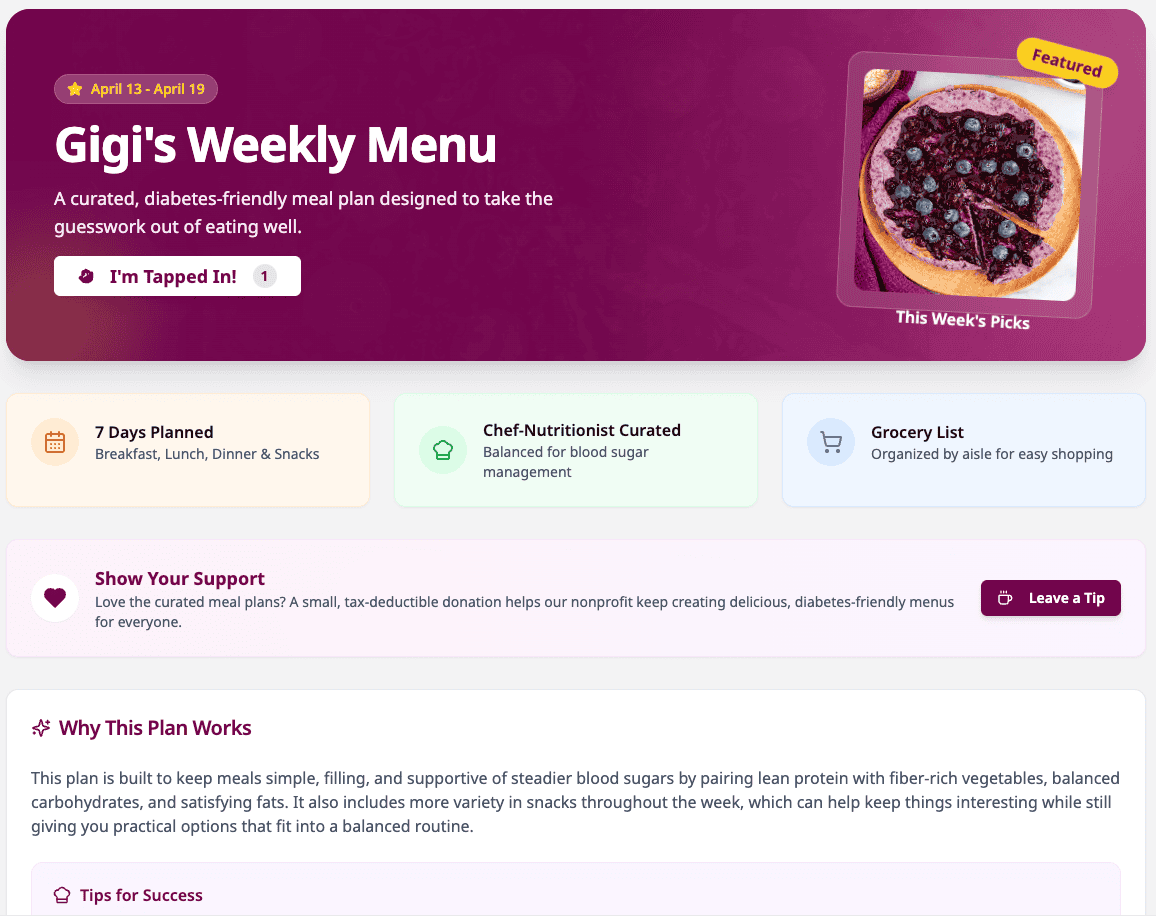
  • Build a Weekly Diabetic Meal Planner from scratch or let the app create one for you
  • Learn from your meal trends over time

Premium Features for More Flexibility:

  • Get a fully personalized Meal Plan with just a few taps
  • Swap in foods you love with easy drag-and-drop editing
  • Adjust your plan based on cravings, routines, or blood sugar trends

Whether you like full control or prefer a plan made for you, Glucose Guide adapts to how you like to eat. 🖐️ Download Glucose Guide for free and try meal planning the smart way.

Final Thoughts

The best foods for diabetes are simple, wholesome, and satisfying. By focusing on fiber-rich carbs, lean proteins, and plenty of veggies, you’ll be able to manage your glucose and enjoy your meals, too. And with tools like Glucose Guide, you don’t have to figure it out alone.

About Mila

Hi! I'm Mila.

I’m a board certified health and wellness coach and a public health nutritionist with a Master’s degree in Applied nutrition.

I live with  LADA (Latent Autoimmune Diabetes in Adults, a slow-progressing form of autoimmune Type 1 diabetes) I love food, travel, and my kitchen, and teaching you about diabetes self-management.

I’m here to help you live your best life possible diabetes by showing you how to create simple, blood-sugar friendly and delicious meals and tips on diabetes self-care.

Be sure to download my FREE Diabetes Community App Glucose Guide, or reach out for FREE 1:1 diabetes health and habit coaching.

Picture of Mila Clarke, MS, NBC-HWC

Mila Clarke, MS, NBC-HWC

Mila Clarke is a Board Certified Health and Wellness Coach, an author, self-taught cook, nutritionist and Integrative Nutrition Diabetes Health Coach, diabetes advocate and founder of Hangry Woman and The Glucose Guide App. Hangry Woman aims to take away the shame and stigma that comes with a diabetes diagnosis and covers topics like diabetes management, cooking, and self-care from the perspective of someone living with the chronic condition. Her book –– The Diabetes Food Journal –– Is one of the most sought after diabetes self-management tools for patients. Her online community – Glucose Guide – offers affordable health coaching, hundreds of diabetes-friendly recipes and community peer support. Mila has been featured by CNN, The New York Times, Eat This Not That, USA Today, Good Housekeeping and WebMD. She contributes to Healthline, The Washington Post, DiaTribe, and EatingWell Magazine. Mila lives in Houston, Texas with her Miniature Poodle, Noodle.

Before you go…

join my free community.

Ad-free recipes, bookmark your favorites, free live learning events, get special deals and discounts on Nutrition Assistant, and free coaching opportunities. Why not?

Healthy, tasty foods!

Sign up for good-for-you recipes!

Secured By miniOrange