
This content contains affiliate links, which helps hangrywoman.com to provide free recipes and resources. Thank you for your support of my blog and non-profit organization, Glucose Guide.
If you’ve ever opened your fridge and thought, “I know what I should eat… but what does that actually look like?” — you’re not alone.
One of the biggest stressors I see in diabetes management isn’t just carb counting. It’s decision fatigue. What do I eat? How much protein is enough? Is this too many carbs? Will this spike me?
This plan averages about 1,500 calories per day, 160+ grams of protein, and moderate carbohydrates spread thoughtfully across meals. It’s structured in a way that supports steady blood sugar, muscle maintenance, and satiety — without feeling restrictive or unrealistic.
Let’s walk through why this approach works.
Why I Focus on Protein in a Diabetes Meal Plan
Protein does a few powerful things in the body:
• Slows digestion
• Helps reduce rapid glucose spikes
• Supports muscle maintenance
• Improves satiety so you’re not constantly grazing
For many people with diabetes — especially those working toward improving A1C or increasing insulin sensitivity — higher protein intake can help stabilize patterns across the day.
You’ll notice most meals in this plan include 35–55 grams of protein. That’s intentional.
This doesn’t mean everyone needs to eat this much protein. It means that spreading protein evenly throughout the day often works better than having 10 grams at breakfast and 60 at dinner.
What Moderate Carbs Actually Look Like
This is not a “no-carb” plan. It’s a moderate-carb, fiber-conscious approach.
Carbohydrates average between 69–82 grams per day, distributed across meals instead of concentrated in one sitting.
Fiber-rich sources like quinoa, brown rice, chickpeas, berries, and sweet potatoes are included because they digest more slowly and support more gradual glucose rises.
When carbs are paired with protein and fat — like Greek yogurt with chia, or chicken with quinoa — blood sugar responses are typically more manageable.
A Look Inside This Week’s Meals
Here’s a snapshot of what the week includes:
Breakfasts:
• Greek yogurt with berries and chia
• Protein smoothies
• Scrambled eggs with spinach
• Cottage cheese with strawberries
• Protein pancakes
Lunches:• Grilled chicken salads with quinoa
• Turkey avocado wraps
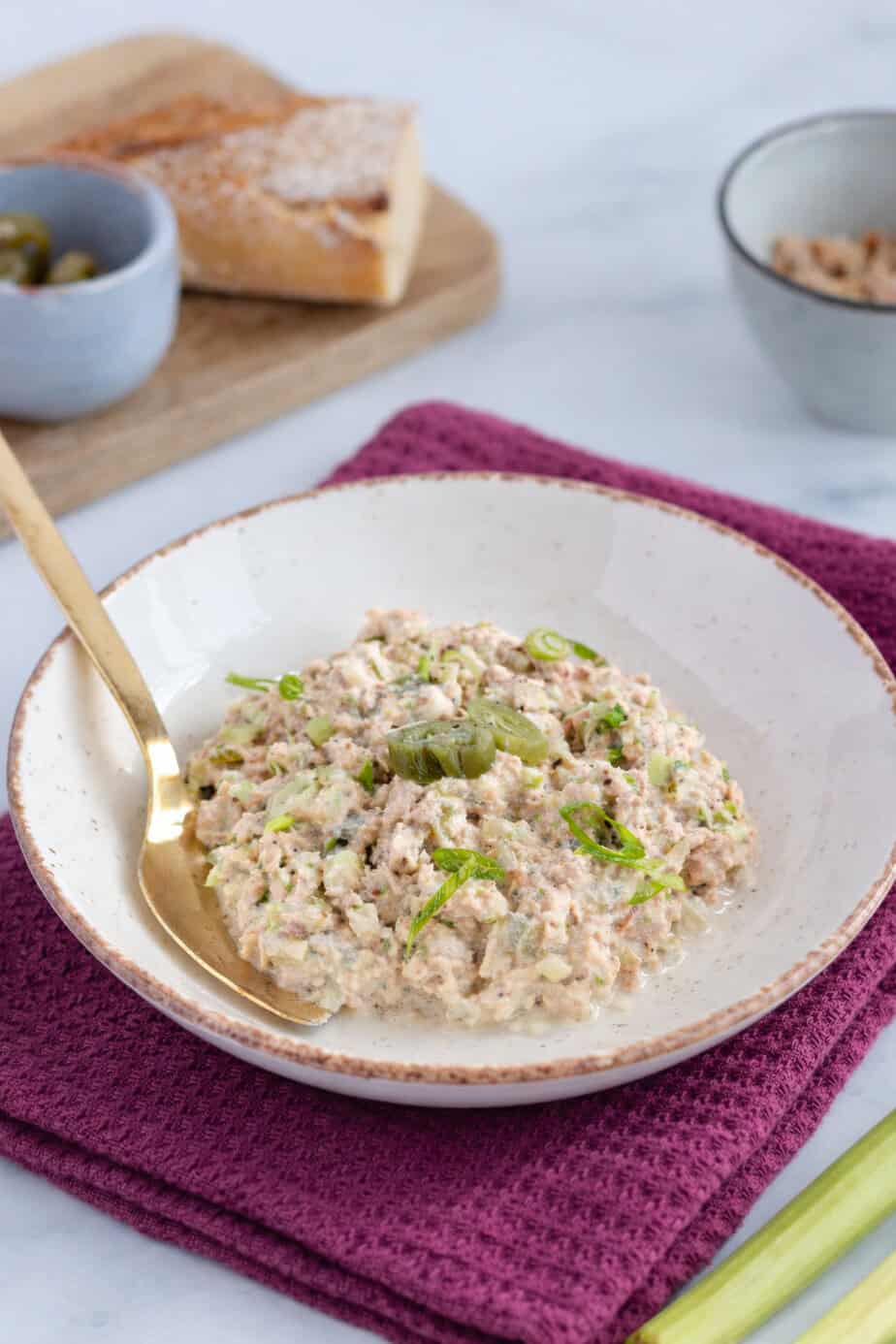
• Tuna salad with chickpeas
• Shrimp and salmon salads
Dinners:• Baked salmon with broccoli and brown rice
• Roasted chicken with sweet potato
• Pork tenderloin with Brussels sprouts
• Cod with wild rice
• Turkey burgers with sweet potato fries
Snacks:
• Almonds and string cheese
• Cottage cheese and cucumber
• Hard-boiled eggs and carrots
• Peanut butter on celery
Nothing extreme. Nothing complicated. Just structured, balanced meals that work in real life.
Why This Structure Helps with Blood Sugar Stability
What I pay attention to as a health coach:
- Protein is evenly distributed.
- Fiber is present in every meal.
- Carbs are paired, not isolated.
- Meals are repeatable and realistic.
- There’s variety, so you don’t get board.
When meals follow this pattern, I often see fewer dramatic spikes and fewer reactive lows. That means more predictable days — and less emotional roller coaster.
This structure also helps you add in your favorites. You don’t have to use this plan exactly as written. You can substitute foods that fit more within your preferences, and use this as a guide or inspiration.
How to Use This Diabetes Meal Plan Effectively
If you’re following this plan, I encourage you to:
• Log your meals
• Check your glucose response
• Look for patterns
• Adjust portions as needed
The goal isn’t to follow this plan rigidly. It’s to use it as a structured starting point, then personalize from there.
That’s why I built this plan alongside the Diabetes Food Journal inside Glucose Guide. Tracking patterns helps you see what works for you — not what works in theory.
Who This Plan Is For
This week’s structure works especially well for:
• People aiming to lower A1C
• Those rebuilding muscle or improving insulin sensitivity
• Anyone tired of guessing what to eat
• People who want balanced, practical meals
Consistency is quiet. But it’s powerful. You’ll always hear me say that small steps add up to big wins.
If you want access to this full 7-day diabetes meal plan — complete with macros and structure — you can find it inside Glucose Guide.
And if you’re trying to simplify your diabetes care instead of complicating it, this is a good place to start.