This content contains affiliate links, which helps hangrywoman.com to provide free recipes and resources. Thank you for your support of my blog and non-profit organization, Glucose Guide.
Fish, Blood Sugar, and Diabetes: Let’s Clear This Up
Short answer before we zoom in: fish does not raise blood sugar on its own. Long answer? Let’s unpack the questions people are clearly Googling at 2 a.m.
Does fish raise blood sugar?
No. Fish contains zero carbohydrates, which means it doesn’t directly raise blood glucose.
What can affect blood sugar is how the fish is cooked and what it’s served with. Deep-fried fish, sugary glazes, or breaded coatings are a different story.
Fish itself? Neutral to friendly for blood sugars.
Can fish spike blood sugar?
On its own, no. Paired with refined carbs, heavy sauces, or eaten in very large portions without balance, you may see changes — but that’s not the fish doing anything sneaky.
Is fish good for diabetics?
Yes. Fish is one of the most consistently recommended protein sources for people with diabetes because it’s:
- High in protein
- Low in carbs
- Rich in nutrients that support heart health
The American Diabetes Association includes fish as a recommended lean protein option for diabetes-friendly eating patterns.
What Is the Best Fish for a Diabetic Person?
You’ll see this question phrased about 15 different ways, so here’s the unified answer.
The best fish for diabetics are:
- Salmon
- Sardines
- Mackerel
- Trout
- White fish like cod, haddock, tilapia, and pollock
These fish are either rich in omega-3 fatty acids (great for heart health) or lean, high-protein options that are easy on blood sugar.
Does salmon raise blood sugar?
No. Salmon does not raise blood sugar. It’s carb-free and rich in omega-3s, which may support insulin sensitivity and cardiovascular health.
Is White Fish Good for Diabetics?
Yes — and honestly, white fish deserves more love.
Why white fish works well:
- Very low in fat
- High in protein
- Mild flavor (easy to cook without sugar-heavy sauces)
The healthiest white fish to eat:
- Cod
- Haddock
- Pollock
- Halibut
White fish is especially helpful if you’re aiming for lighter meals or pairing protein with vegetables or whole grains.
Here’s a clean, blog-ready section you can drop straight into the post to expand on white fish specifically. It answers the intent behind “which white fish?” without sounding like a seafood encyclopedia had too much coffee.
Different Types of White Fish (and How They Fit Into Diabetes-Friendly Eating)
White fish is a broad category, not a single species, and that’s good news. It gives you options depending on taste, budget, texture preferences, and how you like to cook.
All of the fish below are naturally low in carbohydrates, high in protein, and gentle on blood sugar when prepared simply.
Cod
Cod is one of the most popular white fish for a reason. It’s mild, flaky, and holds up well to baking and pan-searing. Nutritionally, cod is low in fat and high in protein, making it a solid choice if you’re looking for something filling without being heavy. Cod works especially well with sauces like lemon, mustard, or herbs because it absorbs flavor easily.
Haddock
Haddock is similar to cod but slightly sweeter. It’s often used in fish stews and baked dishes and has a tender texture that cooks quickly. From a blood sugar perspective, haddock behaves much like cod — neutral, predictable, and easy to pair with vegetables or whole grains.
Pollock
Pollock is lean, affordable, and often overlooked. It’s commonly used in fish sticks and fast-food sandwiches, but the fish itself is a great option when baked or grilled at home. Pollock is very low in fat and calories, making it a good choice if you’re watching portion sizes while still prioritizing protein.
Tilapia
Tilapia has a very mild flavor and soft texture, which makes it approachable for people who don’t love “fishy” fish. It’s widely available and budget-friendly. While tilapia is lower in omega-3 fats than salmon, it’s still a lean protein that doesn’t raise blood sugar on its own. Cooking method matters here — baked or pan-seared beats breaded and fried every time.
Halibut
Halibut is firmer and slightly richer than other white fish, which makes it satisfying and versatile. It works well grilled, roasted, or baked and pairs nicely with simple seasonings. Because it’s denser, halibut can feel more filling, which may help with appetite regulation and meal satisfaction.
Sole and Flounder
These are delicate, thin white fish with a very mild taste. They cook quickly and are best with gentle methods like pan-searing or baking. Because they’re lighter, they’re often paired with sauces or fats — which can actually be helpful for blood sugar balance when done thoughtfully.
Which White Fish Is “Best” for Diabetes?
There isn’t one best white fish — the best option is the one you’ll actually eat and enjoy.
From a diabetes standpoint, all of these fish:
- Contain little to no carbohydrate
- Provide high-quality protein
- Fit easily into balanced meals
The bigger factor is how the fish is prepared and what it’s served with, not the species itself.
Baking, grilling, or pan-searing with fats like olive oil or butter and pairing with fiber-rich vegetables supports steadier blood sugars far more than chasing a “perfect” fish.
The American Diabetes Association includes fish — both fatty and lean — as a recommended protein choice for people with diabetes.
The USDA nutrient database also shows white fish to be consistently low in carbohydrates and high in protein.
White fish is a reliable, low-stress protein option for diabetes management. It doesn’t spike blood sugar, it’s easy to cook, and it works with a wide range of flavors. Whether you choose cod, haddock, tilapia, or halibut, the goal isn’t perfection — it’s building meals that feel doable, satisfying, and repeatable.
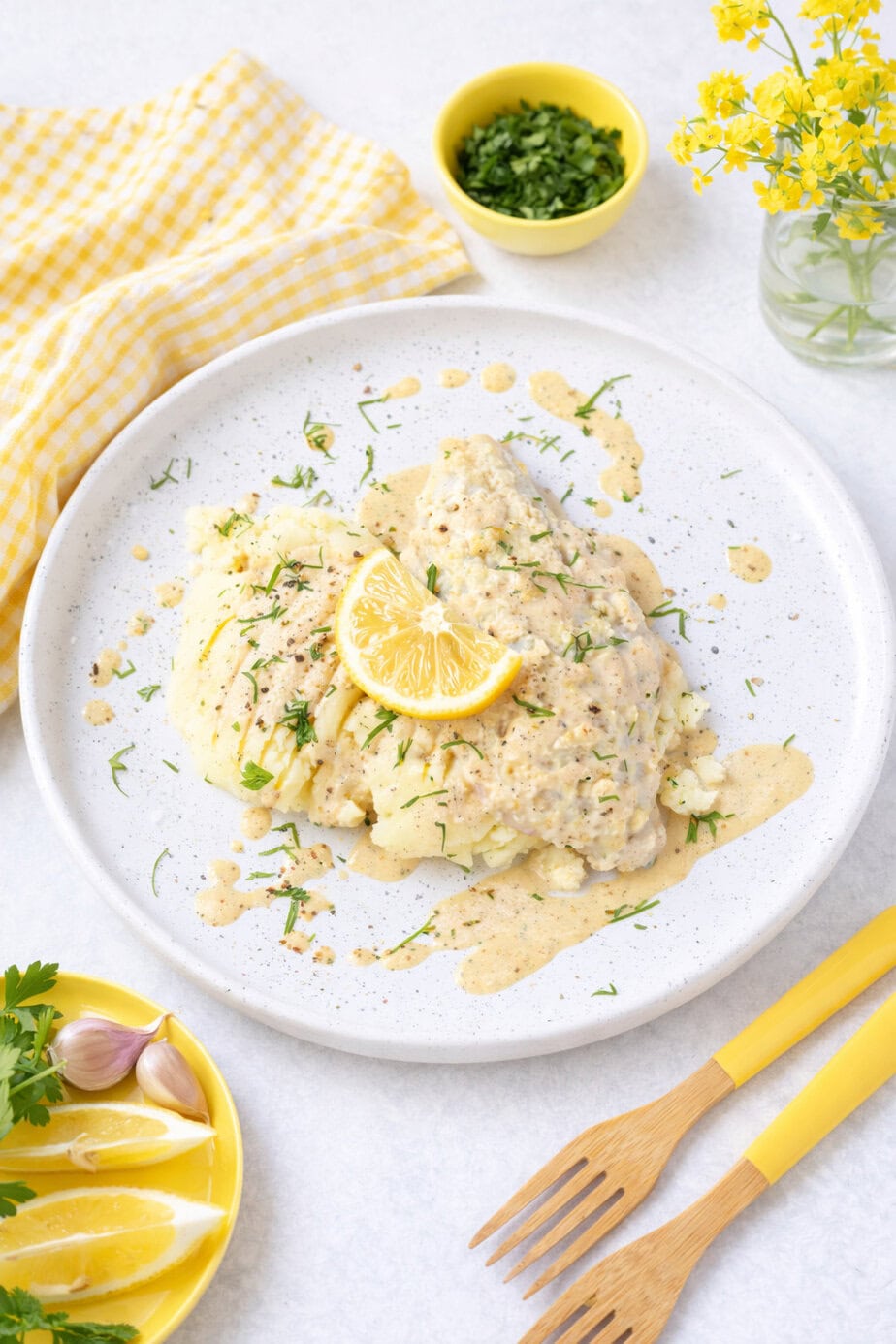
That’s exactly where recipes like this Baked Fish with Lemon Sauce shine — simple ingredients, predictable blood sugar response, and zero drama.
How Often Can a Diabetic Eat Fish?
Most guidelines recommend 2 servings of fish per week, especially fatty fish like salmon. White fish can be eaten more frequently since it’s lower in fat and calories.
More fish ≠ better blood sugar magically — but regular inclusion can support heart health, which matters a lot in diabetes management.
How Should Fish Be Cooked for Diabetes?
Cooking method matters more than the fish itself.
Best cooking methods:
- Baking
- Grilling
- Pan-searing
- Steaming
Methods to limit:
- Deep frying
- Heavy breading
- Sugary sauces or glazes
This baked fish with lemon sauce works well because it keeps carbs low while adding flavor from fat, acid, and aromatics — not sugar.
Fish vs. Chicken for Diabetes: Which Is Better?
Neither is “better” in a universal way.
- Fish offers omega-3 fats that support heart health
- Chicken is a solid lean protein option
Rotation and variety are important. Variety helps nutrient intake and prevents food boredom — which is very real.
Do Any Fish Reduce Blood Sugar?
No food directly lowers blood sugar in a reliable, medical sense. Fish doesn’t reduce glucose levels on demand — but it supports better overall blood sugar management by providing protein without carbs and helping meals feel more balanced.
Bottom Line
Fish — especially white fish and fatty fish like salmon — is a diabetes-friendly protein that doesn’t spike blood sugar and fits easily into balanced meals. The real magic isn’t the fish itself; it’s how you build the plate around it.
That’s exactly why tools like the Diabetes Food Journal exist inside Glucose Guide — not to judge meals, but to help you notice patterns, without food shame or miracle nonsense.
Print
Is White Fish Good for Diabetes? Try This Baked Lemon Fish Recipe
- Total Time: 20 minutes
- Yield: 4 servings 1x
- Diet: Diabetic
Description
This recipe is naturally low in carbs and high in protein, which helps support steadier blood sugars. The fat from butter and cream slows digestion just enough to keep things balanced, while the lemon and mustard keep the flavor bright instead of heavy.
Ingredients
- 4 white fish fillets (5.5 oz / 155 g each, about 1/2-inch thick)
- Salt and black pepper, to taste
- 4 tbsp unsalted butter
- 2 fl oz (60 ml) oat cream
- 2 cloves garlic, minced
- 1 tbsp Dijon mustard
- 1 1/2 tbsp lemon juice
- 1 1/2 tbsp shallots, finely chopped
- Optional for serving:
- Fresh parsley, lemon slices
 Get Recipe Ingredients
Instructions
- Preheat the oven to 390°F (200°C).
- Place the fish fillets in a baking dish and season both sides with salt and pepper.
- In a small saucepan over low heat, combine the butter, oat cream, garlic, Dijon mustard, lemon juice, salt, and pepper. Stir occasionally until the butter melts and the sauce is smooth.
- Sprinkle the shallots over the fish, then pour the lemon sauce evenly on top.
- Bake for 10–12 minutes, or until the fish is just cooked through and flakes easily with a fork.
- Spoon extra sauce over the fish before serving. Finish with parsley and lemon slices if using.
Equipment
 Buy Now →
 - Prep Time: 5 minutes
- Cook Time: 15 minutes
- Category: Seafood
- Method: Baked
- Cuisine: American
Nutrition
- Serving Size: 1 filet
- Calories: 426
- Sugar: 0.9 g
- Sodium: 794.7 mg
- Fat: 28.3 g
- Saturated Fat: 12.2 g
- Carbohydrates: 2.2 g
- Fiber: 0.3 g
- Protein: 38.6 g
- Cholesterol: 165.3 mg