Go ad-free in our community
@glucoseguideapp
Macro and Glucose Tracking, Meal Plans, Label Scanning & Meal Analysis in one place. Download the Diabetes Food Journal App.
Find us on the App Store
@glucoseguideapp
Get the Diabetes Food Journal and Community app on iOS for our Ad-free experience.
Download on Google Play
@glucoseguideapp
Get the Diabetes Food Journal and Community app on Google Play for our Ad-free experience.
b l o g


My 2020 income report and reflections on this wild year

Go ad-Free with the
glucose guide app

Transform the way you manage diabetes with free tools and support designed just for you from a board certified health coach.

🥐 Carb estimation and analysis tools.
🍳 Cook with Confidence: Meal plans, grocery lists + carb tracking.
💡 Coaching at Your Fingertips: Expert guidance to stay on track
🤝 Join a Thriving Community: Connect with others who get it
💪 Build Your Confidence: Take charge of your health with ease
🚫 No Display Ads 

Feel supported, empowered, and in control.

I ditched my corporate job and worked on my food blog full-time. Here's how it made six figures in its first year.

Share

2020 has been a rough year for most everyone.

But I had a really weird year. It was good. I actually thrived. And I feel guilty about it. My blog made six-figures in 9 months. In a really abnormal year.

I debated writing this income report because I didn’t want to seem braggy, or self-absorbed, or like “Look at me! I’m doing amazing sweetie.”

I know that it’s been a cruel year for most. I have been spared. I know that is literally just the luck of the draw.

But, some people don’t know that I’ve been blogging for over 10 years.

I started my first blog in high school on Xanga, and my last semester of college, I took a course in investigative journalism where we wrote a blog as our semester-long project (homework delivered in the form of published blog posts- it was wild).

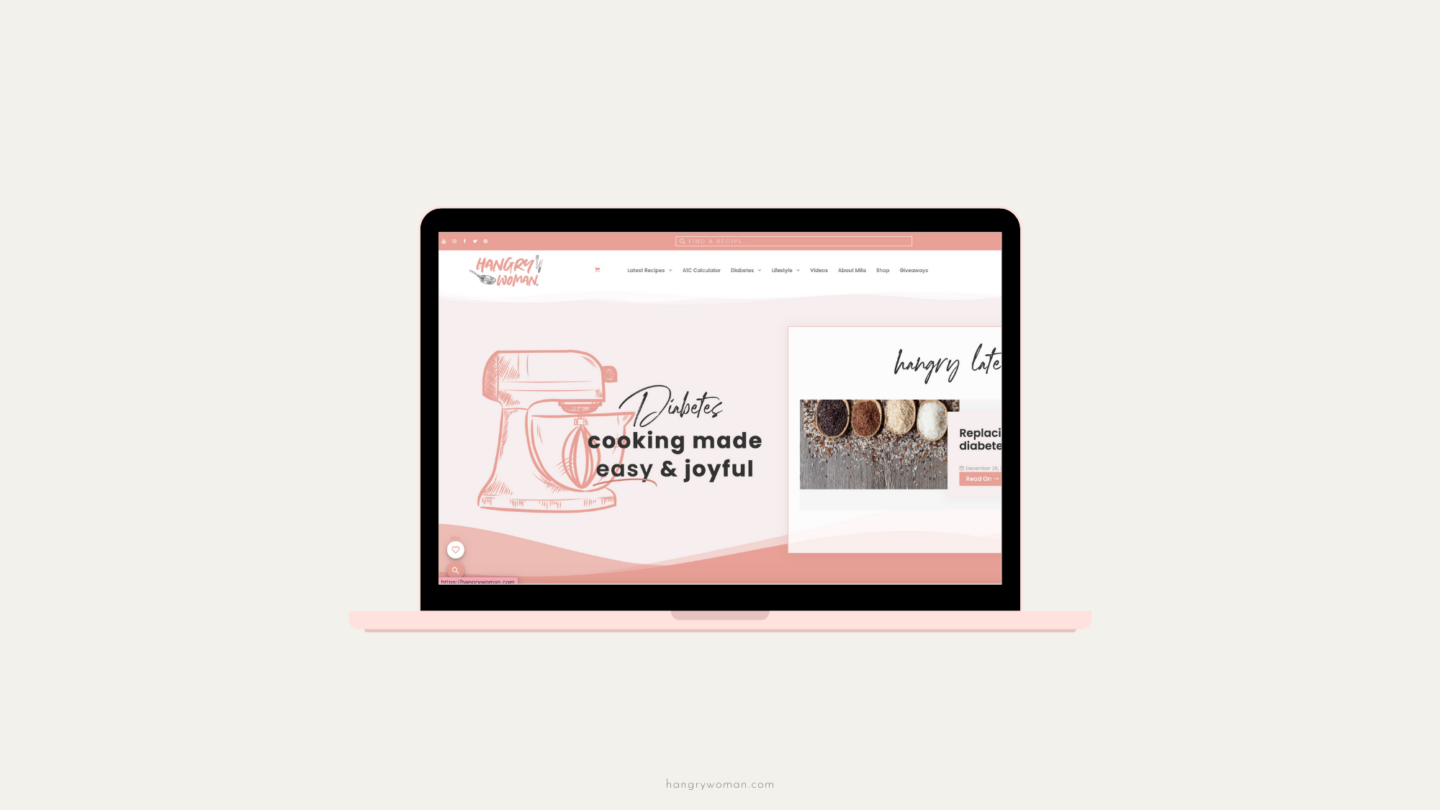
In 2012 I started Tales From The Kitch, and I’m nothing if not consistent. Look at this branding! The pink and gray!

I didn’t tell many people about it because I didn’t want people to make fun of me. When friends and family started asking for recipes, I led them here!

I guess I’m saying this because I don’t want anyone to think this thing was an overnight success. This was blood, sweat, burns, nasty food and tears, baby.

All of this was built out of sheer determination. I had ONE person consistently read my blog.

Only she would hype me up and tell me it was good. Only she would share my posts on her pages.

Before getting recognized anywhere else, I had ONE reader. So keep that in mind if and when you want to quit.

I didn’t think that all of the blogging I’d been doing for the past 10ish years would ever lead to 2020 being my best year.

It was sometimes hard for me to believe it would lead to carving out a job for myself that I like getting up for every day.

It’s odd. Especially because I spent so much time in environments that didn’t nurture my talent.

For starters, I didn’t think it was possible to make more money than I did at any full-time job I’ve ever had, work at home, and be HAPPY.

We’ll get to that part at the end – I know you want to know! And yes, it can cost that much to run a blog.

Leaving my job and blogging full-time

Last year, on my way to thinking about becoming a full-time blogger, I started publishing income reports. Full disclosure – I didn’t do many.

Lots of people read them, but when I had to focus on actual content, this got pushed to the side.

Income reports were my way of solidifying my blog being an actual business and taking note about the ways I could actually grow it.

I also wanted to look back on what helped me succeed with blogging as a part-time gig.

My biggest motivation was to pay off debt (which I didn’t do) so I could quit and work full-time on my blog.

No debt meant freedom and way less money to make to stay afloat (which is still true, but I’m in a different position now).

I didn’t have money to hire anyone (although my brand manager, who is also my best friend) gets a percentage for negotiating my deals.

Working for myself seemed pretty “pie in the sky.” Especially if you know these very funny things about me:

  • I do not take risks. Ever. I have to know what’s going to happen at all times.
  • Having LADA means I need health insurance at all times.
  • I’m not organized at all.
  • I’m a huge procrastinator.
  • I don’t like promoting myself or talking about my wins. It makes me highly uncomfortable – sometimes to the point of getting hives.
  • Basically, my whole DNA screams “why are you a business owner?”

Really, just all of the worst things you could be as a business owner.

What I am good at outweighs those bad attributes (I’m creative, strategic, goal-oriented, quick on my feet), and I have a tiny and mighty team who helps take all of those crappy things that I am and helps the good things shine.

But, the opportunity presented itself to work for myself full-time. Despite all of my reservations, I thought it was the time.

After endless chats with Bryan and crunching the numbers several hundred times in my spreadsheet, we decided that it could be the right move.

It just had to sustain and grow.

In that time period I had a few strokes of luck:

  • I got an opportunity to community manage a diabetes app part-time.
  • 3 long-term partners agreed to work with me on a longer-term project (yay!).
  • I was losing sleep juggling one-off partnerships and trying to do my job well. So I was anxious, always getting sick and exhausted.
  • I felt like I wasn’t succeeding at work, and it was frustrating and overwhelming. I also didn’t think I could grow beyond my position. This led me to think about what else there was.

So, in March I went to Disney World (my last hurrah before the pandemic – so crazy), gave notice at work, and it was off to my own adventure.

My first, and probably last trip to Disney with my bestie!

And then literally the world shut down.

I’d been making the transition for a while from restaurant blogger to home cook (there’s a long story about why).

It ended up being perfect timing to focus on home cooking – we were all on lockdown, and happy to find some creativity in the kitchen!

Early on in quarantine, I had a huge break. I was featured in the New York Times about being a young person with a chronic illness and the fears of coronavirus.

My big ‘ol mug on the site. I was also featured in the print edition. This website is mentioned in the NEW YORK TIMES.

That led to insane traffic, some growth in my email list, and better connections to people with diabetes.

From there, it just got better.

I released my first book, The Diabetes Food Journal and it landed in the top diabetes health books on Amazon.

I also got features in the LA Times, Shape, Prevention, and Oprah Magazine.

I filmed my own cooking show for Myabetic Diabetes TV called Simply Delicious.

Like, it was a really good year. And it’s hard to see how it can get better, or how I can do more, or have the same level of achievement.

I’m always thinking about the next thing.

My 2020 Goals

I wrote down everything I wanted – including 6 months of savings (a fall-back in case I failed at launching the blog and needed some time to sustain), and a cute little note that says I’d quit in December 2020 to go full-time.

LOL.

A little backstory: I never intended to quit my job in March. I wasn’t ready. December 2020 was always the goal if I didn’t chicken out and just stay.

But when something calls you, it calls you.

My goals were actually small, to be honest. I didn’t know what I was capable of.

My 2021 Blogging Goals

I have a ton of goals for this year:

  • Build up to 100,000 monthly pageviews here on HangryWoman.com
  • Grow my email list to 10,000 subscribers
  • Grow my YouTube Channel to 10,000 subscribers and monetize it
  • 4 videos a month for YouTube
  • Write something every single day (whether I publish or not)
  • Keep working on professional development
  • Double my 2020 income

I think all of these goals are possible, but it’ll take some grind to make it happen.

Breaking six figures

WOW. I would have never guessed I’d do that.

-Me, as I did that

I didn’t think my blog was going to break six figures. I had a goal of replacing my salary (and my 1 and a half hour each way commute) as a social media specialist and that was it.

That was my only goal and intention, and I smashed it. I’m pretty proud of that.

Here’s what I think helped me push me over the edge:

  • I rarely pitched this year, but when I did, I pitched multi-month partnerships. Brands who worked with me for multiple months saw a much larger reach and conversion than one-off projects.
  • I defined my niche, and started to focus on what my core audience wanted. That did mean leaving behind some, but the majority of my community came along with me.
  • I worked on projects I had a blast doing.
  • I spent time on freelance writing to reach new audiences. This also helped to boost my income a little bit.
  • Upping my rates slightly when I went full-time.
  • I learned to DIY, so I didn’t have to outsource much of my work.
  • You guys. If you’re reading this, you probably commented, or shared one of my posts. It’s possible that you encouraged me to keep going along the way.

No free work in 2020

I declined 78 partnerships in 2020.

Yes. 78. Did not take them. Why?

Because they required too much time, too many deliverables, and either wouldn’t pay my rate, or pay me at all. And my time is precious.

Getting free stuff was cool when I was earning a paycheck somewhere else. But, free stuff in exchange or my time doesn’t pay the bills.

To be fair, I certainly took partnerships well under my rate. I thought they would pay off, and I’m here to tell you, they won’t. And they never do.

I took a partnership with a big brand this year with the promise that it could lead to other, greater work. It didn’t, and it drove me crazy.

The deadlines were inflexible. The expectations were a little unreasonable. There wasn’t any room for creativity. It wasn’t a good experience.

AND I did it for less than I was worth.

The brands who looked at my work as worth it? They worked with a spirit of collaboration. They came back with ideas that totally fit what my readers want to know. And, they paid on time.

They were open to ideas, and wanted to know how I worked best. I’m thankful for both experiences because It shaped my expectations for the years beyond.

I would encourage you not to take work that gives you a logo in your portfolio, but rather partnerships that appreciate and support your talent.

What I invested in to help my blog be successful

Really setting myself up for a good blogging future did not come cheap. I was picky about the things I spent money on because it wasn’t just a corporate budget I could use anymore – it was my coins. But I think I chose wisely.

SEO Course

I took Stupid Simple SEO. While I’m still working on implementing it, I really learned a lot about SEO from this course, and have no idea how I have even been that successful as a blogger without the depth of knowledge I learned by taking this course over the year.

It’s a long course, but I got some foundational knowledge and I’m grateful I dropped some coins on it.

Site Speed Work

My site was SO incredibly slow before I quit. I hired iMark Interactive (and sat on the waiting list), and got some work done on my site.

There were some things I didn’t want to compromise on aesthetically, so is my site the fastest?

No, but I’m happy with the work and it still retained its beauty and custom features.

Advertising

I focused on Facebook ads this year. In March I had 2,500 Facebook followers. By December I was looking at almost 16,000.

I was very strategic with ads, and I think it paid off.

My own time

I recognized my time as being valuable, so I really tried not to reduce my rates unless there was a perfectly good reason.

A better website host

I moved over to BigScoots and it was one of my best switches. They did a really great interview about my motivations to switch and how it has impacted my site for the better (like 83% better!).

Canva

I minored in digital media in college. So, I learned a lot about Photoshop and InDesign, but I’m a one woman band over here. I NEED speed.

I signed up for Canva Pro and it’s how I get everything from Pinterest pins to YouTube thumbnails done.

Flodesk

Flodesk actually ended up saving me money, so it’s a worthy investment. I have had to do more manual work with my email list, but that feels like it’s for the better.

I also pay $19/mo for my email list instead of what was approaching $200/mo.

If you’re a newbie blogger I recommend 1) starting your email list ASAP (I list some reasons why you need an email list here).

2) Flodesk is both the most affordable and easiest to use software out there right now. Especially if you have a limited budget, but you want to make email marketing a priority.

Securing all of the Hangry Woman web domains

You have to protect your brand, so I bought every Hangry Woman variation possible.

Hangry Woman was also trademarked in 2018. I wanted to protect my child.

Groceries

Yeah. I spent a lot of money on food. It didn’t go to waste, but recipe testing for an independent and self-funded website isn’t cheap.

Donations & Giving

Mutual aid for insulin and diabetes supplies affordability is only growing as gaps widen. What I could give is never enough, but I do my best.

Trying out new things just because I’m the boss

I’m always fine with experimenting on new products. I tried Epidemic Sounds for music, Grammarly. I bought a Shopify store – not sure what I’ll do with that. To me, it just felt like the sky is the limit.

Everytime I fail, I learn. Every time I succeed, something good comes from it.

My two biggest support pillars

There are literally two reasons I haven’t lost my dang mind.

First, my husband. He loves his job, and he works the 8-5 so that I can have health insurance, and we have stability.

I really appreciate that he sacrifices creative freedom of his own to let me have mine. It’s incredibly selfless.

Fun fact: early on when I started food blogging, Bryan actually hated it. He said it was dumb.

In true scorpio fashion, I did not forget that and maybe set out to prove him wrong a little bit.

When I told him that I had this thought in the very back of my mind to work for myself, he actually had no hesitation. He never said it was a bad idea and encouraged me along the way.

He also knows I’m crazy and had 10 spreadsheets on the matter.

My second pillar is someone we all know and love – my bestie Katie.

If you don’t know the story of Katie and I – we met in 6th grade, were in high school yearbook together, college roomies, and now we live 4 houses down from each other.

Katie and I the day we got caps and gowns in high school. High School me did not imagine this life at all.

She was literally the biggest encourager of all of this.

Every time I tried to chicken out. Every time I said I couldn’t do it, she sat down with me with pen and paper and helped me figure it out (usually after a 1 a.m. text talking me off the proverbial ledge).

She’s also a really great brand manager and business partner and knows me and my business inside and out. We have always had a really solid working relationship. Everyone needs a Katie.

She was also my only reader for a very long time! She saw the bad parts, and the horrific recipe writing.

Streams of income for bloggers

While I wish I could share more about how much I made in each of these breakdowns, various NDAs prevent me from disclosing.

What I can share is the breakdown to help people understand where I focus my energies. Because I feel like this will be misjudged.

90% Food and Beverage
5% Restaurant and hospitality
3% Diabetes Care
2% Other (hodgepodge of stuff like kitchen tech/appliances, non-profit work, etc.)

But, you know the total earnings, so descriptions of this are just enough.

I think what’s important is that bloggers looking to go full-time have multiple, practical streams of income.

You don’t want one to go away and break you.

Some bloggers were hit by search algorithm changes, which de-ranked some of their blogs in search, and when their only source of income was ad networks, their blogs tanked. One of my most popular recipes went from #2 in search to #50 – and took like 40% of my traffic with it.

When social networks change their algorithms, or they all introduce stories (or *eyeroll*, fleets), we all have to adapt, and spend more time developing content for other platforms to be sure our regular content still gets seen.

Some bloggers in niches like luxury and travel were hit hard by people spending less and traveling less due to COVID. Their ad revenue tanked and took their blogs down because of it.

It’s not guaranteed, but having many sources of income can help you stay afloat. So, I tried my best to establish those areas to set myself up for the future.

Partnerships & monetizing my channels

Partnerships were my biggest category this year. I had around 60 partnerships this year that ranged from one-offs to long-term.

I did some stuff gratis, and I will always cover important issues whether or not the post is sponsored.

I had some amazing long-term partners, who are going to be my partners again in 2021.

All of them were understanding about my LADA diagnosis and so wonderful in allowing me to be myself with every post we dreamed up together. I’m so lucky in that regard.

Mediavine Ads

Mediavine is an ad network for publishers, and the display ads you see on my site.

Clicking on ads that resonate with you is a great and free way to support the and keep it going.

Mediavine was a tiny sliver of my earnings. I hope to grow that part of my blog in the future.

While my earnings here were good, they were not what I expected this year after I quit my job. I needed them to do more, but I made it up in other ways.

Affiliate Income

I use affiliate links as another source of income. From my Amazon Storefront, to the clickable links around my site, affiliate links earn me a tiny commission when you shop using my link.

It never costs you anything, but it can be so helpful.

Sometimes it’s like .5% of the item total, but it’s helpful and meaningful when you shop with these links.

They were also the tiniest part of my income. Literal pennies.

Some retailers cut affiliate commissions this year. So, they weren’t a hugely reliable income source.

Affiliate income is fleeting, however. It’s an area I could grow in, but isn’t my cup of tea.

Freelance Writing

I freelanced more than I thought I would this year.

I wrote for Healthline, DiabetesMine and filmed some videos for Shape Magazine and Prevention.

Lending myself as talent for videos, and taking on writing assignments was a nice boost that I didn’t anticipate. It’s also something I’ll be doing more of in 2021.

Social Media Consulting & Community Management

This is my last source of income and one I’m so grateful for.

I was a social media manager by day before I started my blog.

But for 5 years that job didn’t pay very well. I was also told a lot that I wasn’t good with strategy (which, *looks around at my blog and social media*). I was barely rising the ranks at work, or given more responsibilities, or better pay.

I took on consulting side projects to help shape my work. I loved getting to lead strategy on projects and show my expertise.

A couple of those projects became passion projects that I adore working on – even if they’re not completely food-related.

I haven’t let those projects go out of a sheer love of doing them. Best of all – I have a little more time on my hands for them. And I’m not pulling all-nighters anymore.

For my blogger friends wanting to make the full-time leap

My advice? Give it time. Write down your goals to keep them top of mind.

Work at it. Learn from others and ask questions. When you fail, ask what you can learn about it rather than being pissed about it.

Join supportive blogger groups. Ask people to share your stuff when you’ve worked hard on it.

Ask to be compensated for your work. Lift your blogger friends up along the way and pay it forward.

If you’re working your full-time job and blogging on the side, do whatever helps you get to your goals faster.

Also, you might have to leap before you’re actually ready. It’s scary, but necessary.

Lastly, if you’ve been thinking about starting and haven’t – start the dang thing already.

Anything is possible. Honestly.

If you asked me in January where I think I’d be today, it certainy wasn’t here.

via GIPHY

My hopes for 2021

I have high hopes for this little blog.

I hope it continues to be a place where people with diabetes can find non-judgemental information and a little hope from someone else living with the condition.

I hope I can bring more attention to misdiagnoses, medical racism, insulin affordability and diabetes shame, and stigma.

I hope I can deliver more delicious recipes than ever. Especially affordable and easy ones.

I hope, above all else, that I can do this for a second year in a row – then another, and another, and another. Really for the rest of my life until I need to retire.

Aside from my Bryan, this blog is the greatest love of my life.

I started it as a result of one of the darkest points of my life, and somehow it has become one of the things I’m most proud of.

I don’t think I’ve put my heart and soul into anything else this much.

Even when my reach was low on Instagram, or a TikTok/Story/Pin Story/Fleets didn’t take off, I still felt proud of the work I was putting out.

Did I grow as much as I would have liked? No. But I can be proud of what I did accomplish.

As odd as it is to say, I hope every year for this blog somehow tops 2020.

If somehow you made it this far, you’ve read 3,658 words. So, I’m going to stop talking. Please leave a comment and share your ambitions.

I want to support you. Just like you’ve done for me along the way.
4 Responses

  1. I want to thank you for the transparency and inspiration! You are literally one of the hardest working women I know in this blogging space, and in 2020 you have shined so bright!

Leave a Reply

Your email address will not be published. Required fields are marked *

Another serving?

Diabetes-Friendly Fluffy Egg White Omelet with Prosciutto and Asparagus

If you’ve ever had an omelet so fluffy it felt like biting into a cloud — you’ll love this one.

This Fluffy Egg White Omelet is proof that simple ingredients can create something totally satisfying. It’s one of my go-to breakfasts when I want to keep things light, protein-rich, and quick (because who has time for a complicated morning?).

If you’re watching saturated fats in your diet, this recipe also allows you the ability to add in fats to your taste.

Egg whites are naturally low in carbs and fat, and when whipped, they create that dreamy, souffle-like texture.

The asparagus adds a crisp, springy bite, and the prosciutto? Salty, savory, and indulgent without going overboard on calories. A sprinkle of Parmesan ties it all together with a hint of nuttiness.

Why This Recipe Works for Blood Sugar Balance

This breakfast balances lean protein and fat, which helps slow digestion and keeps you feeling full longer — meaning less of a blood sugar spike after eating. With just 2 grams of carbs per serving, it’s perfect for anyone watching their glucose levels or easing into a lower-carb morning routine.

Pair it with a side of fresh berries or half an avocado for a little extra fiber and healthy fats — both of which support smoother post-meal glucose curves.

Blood Sugar Benefits by Ingredient

IngredientBenefit for Blood SugarWhy It Matters
Egg whitesPure protein, no carbsHelps stabilize blood sugar and support muscle repair without affecting glucose levels.
ProsciuttoLow in carbs, adds flavorProvides satiating fat and protein, reducing cravings and quick spikes.
AsparagusNon-starchy vegetable rich in fiberSlows digestion, promotes fullness, and may help improve insulin sensitivity.
Parmesan cheeseFat + protein comboSlows carb absorption and adds umami flavor with minimal lactose.
ChivesContains antioxidantsAdds flavor without sodium or sugar, and supports overall inflammation balance.
Olive oil & butterHealthy fatsHelp delay glucose release into the bloodstream and keep you satisfied longer.

Ingredients

  • 2 slices prosciutto (0.7 oz / 20g), torn
  • 2 tsp unsalted butter
  • 3 egg whites
  • ½ tsp chives, finely chopped + extra for garnish
  • 2 tbsp Parmesan cheese, shredded
  • 1 oz (30g) asparagus, thinly sliced

Directions

  1. Heat 1 tsp olive oil in a small nonstick pan. Cook the asparagus until soft, then add prosciutto for 30 seconds. Remove and set aside.
  2. Melt butter in the same pan over low heat.
  3. Whisk egg whites with chives, salt, and pepper until frothy. Pour into the pan. Stir gently for about 10 seconds, then stop.
  4. Cover with a lid and cook for 2–3 minutes until the top looks just set.
  5. Add asparagus, prosciutto, and Parmesan to one side. Fold the omelet over and cook 30 seconds more.
  6. Slide onto a plate, garnish with extra chives, and serve warm.

Nutrition Facts (Per Serving)

EnergyCarbsProteinFat
306 kcal2 g37 g15 g

Recipe Details

Print
clock clock iconcutlery cutlery iconflag flag iconfolder folder iconinstagram instagram iconpinterest pinterest iconfacebook facebook iconprint print iconsquares squares iconheart heart iconheart solid heart solid icon

Diabetes-Friendly Fluffy Egg White Omelet with Prosciutto and Asparagus


5 Stars 4 Stars 3 Stars 2 Stars 1 Star

No reviews

Description

This breakfast balances lean protein and fat, which helps slow digestion and keeps you feeling full longer — meaning less of a blood sugar spike after eating. With just 2 grams of carbs per serving, it’s perfect for anyone watching their glucose levels or easing into a lower-carb morning routine.


Ingredients

Scale

2 slices prosciutto (0.7 oz / 20g), torn

2 tsp unsalted butter

3 egg whites

1/2 tsp chives, finely chopped + extra for garnish

2 tbsp Parmesan cheese, shredded

1 oz (30g) asparagus, thinly sliced

Instacart Get Recipe Ingredients

Instructions

  • Heat 1 tsp olive oil in a small nonstick pan. Cook the asparagus until soft, then add prosciutto for 30 seconds. Remove and set aside.

  • Melt butter in the same pan over low heat.

  • Whisk egg whites with chives, salt, and pepper until frothy. Pour into the pan. Stir gently for about 10 seconds, then stop.

  • Cover with a lid and cook for 2–3 minutes until the top looks just set.

  • Add asparagus, prosciutto, and Parmesan to one side. Fold the omelet over and cook 30 seconds more.


  • Slide onto a plate, garnish with extra chives, and serve warm.

Notes

Pair it with a side of fresh berries or half an avocado for a little extra fiber and healthy fats — both of which support smoother post-meal glucose curves.

  • Prep Time: 5 minutes
  • Cook Time: 5 minutes
  • Category: Breakfast
  • Method: Stovetop
  • Cuisine: American

Nutrition

  • Serving Size:
  • Calories: 306
  • Sugar: 1.3 g
  • Sodium: 1782.2 mg
  • Fat: 15.5 g
  • Saturated Fat: 8.2 g
  • Carbohydrates: 2.2 g
  • Fiber: 0.6 g
  • Protein: 37.6 g
  • Cholesterol: 78.9 mg

More Diabetes-Friendly Recipes

hangry woman coaching call to action image

Diabetes-Friendly Pumpkin Puree

If there’s one ingredient that screams fall vibes louder than pumpkin spice lattes, it’s pumpkin purée.

Grabbing a can from the store is convenient (just double check to make sure it’s pumpkin puree, and not pumpkin pie filling!), making it yourself means you get to control the flavor, texture, and freshness.

Plus, you skip out on any added sugars or preservatives that can sneak into pre-made versions — a win for blood sugar balance!

Pumpkin is naturally rich in fiber, vitamin A, and potassium, all of which support healthy digestion and help your body maintain steady glucose levels.

Research suggests that eating foods high in fiber (like pumpkin!) can improve post-meal blood sugar control by slowing down digestion and glucose absorption.

So whether you’re prepping for a cozy pie, a creamy soup, or a smoothie that tastes like fall in a glass, here’s how to make it from scratch.

Pumpkin Puree on a trivet around fall flavors

Ingredients & Benefits

Ingredients
Pumpkin4 lbs. (1.8 kg), deseeded and halvedNaturally low in carbs and calories, high in beta-carotene and fiber. Helps support stable glucose levels.
Water (for stovetop method)Enough to cover pumpkin chunksKeeps the purée soft without adding calories or fat.

That’s it! No added sugar, no fillers — just pure, wholesome pumpkin goodness.

There are two methods for making your puree. I find them both easy to do, but depending on your kitchen setup, one way may be easier than the other.

Oven Method

  1. Preheat the oven to 400°F (200°C). Line a baking sheet with parchment.
  2. Remove the pumpkin stem. Cut the pumpkin in half and scoop out the seeds and fibers (you can roast the seeds later for a crunchy snack!).
  3. Place the halves flesh-side down on the prepared baking sheet.
  4. Roast for 30–45 minutes, or until a knife slides in easily.
  5. Let cool for about an hour. Scoop out the flesh and blend until smooth.

Stovetop Method

  1. Peel, deseed, and chop the pumpkin into chunks.
  2. Boil in water for 20–25 minutes, until tender.
  3. Drain well and let it cool slightly.
  4. Blend until smooth in a food processor or blender.

Storage Tips

  • Store in an airtight container in the fridge for up to 1 week.
  • Freeze in ½-cup portions for up to 3 months — perfect for smoothies or recipes that call for “just a bit.”

Diabestie Tip

Homemade pumpkin purée has about 7g of carbs per serving with no added sugar, making it a smart and satisfying base for your favorite fall dishes. Pair it with a protein source (like Greek yogurt, nuts, or eggs) to balance your blood sugars even more.

Try It In:

Print
clock clock iconcutlery cutlery iconflag flag iconfolder folder iconinstagram instagram iconpinterest pinterest iconfacebook facebook iconprint print iconsquares squares iconheart heart iconheart solid heart solid icon
Pumpkin Puree on a trivet around fall flavors

Diabetes-Friendly Pumpkin Puree


5 Stars 4 Stars 3 Stars 2 Stars 1 Star

No reviews

Description

Skip the canned stuff! Learn how to make silky-smooth, naturally sweet pumpkin purée right in your own kitchen — perfect for soups, pies, or cozy fall breakfasts. It’s low in carbs, diabetes-friendly, and oh-so-satisfying.


Ingredients

Units Scale
  • 4 lbs pumpkin (deseeded and sliced into smaller chunks)
  • Water – Enough to cover the chunks of pumpkin.
  • Optional – pumpkin spice, or ground black pepper
Instacart Get Recipe Ingredients

Instructions

Oven Method

  1. Preheat the oven to 400°F (200°C). Line a baking sheet with parchment.

  2. Remove the pumpkin stem. Cut the pumpkin in half and scoop out the seeds and fibers (you can roast the seeds later for a crunchy snack!).

  3. Place the halves flesh-side down on the prepared baking sheet.

  4. Roast for 30–45 minutes, or until a knife slides in easily.

  5. Let cool for about an hour. Scoop out the flesh and blend until smooth.

Stovetop Method

  1. Peel, deseed, and chop the pumpkin into chunks.

  2. Boil in water for 20–25 minutes, until tender.

  3. Drain well and let it cool slightly.

  4. Blend until smooth in a food processor or blender.

Notes

Store in an airtight container in the fridge for up to 1 week.

Freeze in ½-cup portions for up to 3 months.

Save and roast the seeds for a delicious snack.

  • Prep Time: 10 minutes
  • Cook Time: 40 minutes
  • Category: Basics, Meal Prep
  • Method: Oven or Stovetop
  • Cuisine: American

Nutrition

  • Serving Size: 1/4 cup
  • Calories: 39
  • Sugar: 3.7 g
  • Sodium: 5.7 mg
  • Fat: 0.3 g
  • Saturated Fat: 0.2 g
  • Carbohydrates: 9.2 g
  • Fiber: 3.3 g
  • Protein: 1.2 g
  • Cholesterol: 0 mg

Diabetes-Friendly Make-Ahead Egg, Spinach & Feta Wraps

🥗 Why This Recipe works as a great diabetes-friendly breakfast

This breakfast wrap balances protein, fiber, and healthy fats — a trio that helps slow digestion and prevent blood sugar spikes after eating. Each ingredient plays a special role in making this both delicious and diabetes-friendly:

  • Eggs: Provide high-quality protein and essential fats that help keep you full and stabilize blood glucose. Eggs are also rich in choline, which supports brain and liver health.
  • Spinach: Low in carbs but high in fiber, magnesium, and antioxidants that can improve insulin sensitivity and reduce oxidative stress.
  • Feta cheese: Adds creaminess and tang while delivering protein and calcium — both great for satiety. The saltiness also balances the sweetness of the onions and tomatoes.
  • Sun-dried tomatoes: Offer a burst of umami flavor and antioxidants like lycopene, which may support heart health. Using the oil from the jar infuses flavor without needing extra butter or added fats.
  • Onions: Bring a gentle natural sweetness when caramelized — no added sugar needed — and contain prebiotic fibers that nourish gut health.
  • Cream cheese: Helps bind the wrap together and adds richness, making the meal more satisfying. Choose a light version if you’re watching fat intake.
  • Whole grain or low-carb tortillas: These add gentle, complex carbs for energy while providing fiber to slow digestion. If you want fewer carbs, go for a low-carb or high-fiber wrap.

Together, these ingredients create a flavorful, balanced meal that hits the Goldilocks zone for energy — not too high, not too low.

If you want to add this to your meal plan, be sure to visit heygigi.app to

How to Make It

  1. Preheat the oven to 375°F (190°C). Lightly grease a baking dish with ½ tsp oil and line with parchment paper, leaving some overhang. Spray the parchment with another ½ tsp oil.
  2. Cook the veggies: In a large pan, heat the sun-dried tomato oil over medium heat. Add onion and cook 8–10 minutes until golden. Stir in sun-dried tomatoes, then spinach. Cook just until wilted. Season with salt and pepper.
  3. Mix the eggs: In a large bowl, whisk eggs with 1 tsp salt and ¼ tsp pepper. Stir in the spinach mixture. Pour into your baking dish, top with crumbled feta, and bake 10–15 minutes until set.
  4. Assemble the wraps: Let the egg bake cool for 2 minutes. Lift it out and cut into 5 equal pieces. Spread cream cheese on each tortilla, add an egg slice near the bottom, fold in the sides, and roll up tightly.
  5. Toast: Heat a clean pan over medium heat. Place the wrap seam-side down and cook 3–4 minutes per side until golden. You can also air-fry these.

Storage Tips For These Wraps

Wrap individually in foil or parchment.

  • Refrigerate: Up to 3 days.
  • Freeze: Up to 3 months.
  • Reheat: Microwave for 1–2 minutes, or warm in a skillet or 350°F oven until heated through, or air fry for 10 minutes at 350ºF

💡 Diabestie Tip

If you’re using these as part of your morning routine, pair your wrap with a side of berries for extra fiber and antioxidants. You’ll get a gentle boost of natural sweetness — no blood sugar rollercoaster required

Print
clock clock iconcutlery cutlery iconflag flag iconfolder folder iconinstagram instagram iconpinterest pinterest iconfacebook facebook iconprint print iconsquares squares iconheart heart iconheart solid heart solid icon

Diabetes-Friendly Make-Ahead Egg, Spinach & Feta Wraps


5 Stars 4 Stars 3 Stars 2 Stars 1 Star

No reviews

Description

Packed with protein, fiber, and flavor, they’ll help you start your day with stable blood sugars and steady energy. Plus, they freeze beautifully — perfect for busy mornings when “homemade” feels impossible.


Ingredients

Units Scale
  • 1/4 cup sun-dried tomatoes, chopped
  • 1 tbsp. oil from sun-dried tomatoes
  • 1 onion, chopped
  • 5 oz. (140g) baby spinach
  • 10 eggs
  • 3 oz. (90g) feta cheese, crumbled
  • 5 tortillas (whole grain or low-carb recommended)
  • 4 tbsp. cream cheese
Instacart Get Recipe Ingredients

Instructions

  • Prep & Preheat:
    Heat the oven to 375°F (190°C). Lightly grease a baking dish with ½ tsp oil. Line with parchment, leaving overhang. Spray with another ½ tsp oil.

  • Sauté Veggies:
    In a large pan, heat the sun-dried tomato oil over medium heat. Add onion and cook 8–10 minutes until golden. Add sun-dried tomatoes and cook for 2 minutes. Stir in spinach and cook until just wilted. Season with salt and pepper.

  • Bake the Eggs:
    In a large bowl, whisk eggs with 1 tsp salt and ¼ tsp pepper. Stir in spinach mixture. Pour into the prepared baking dish and sprinkle feta on top. Bake for 10–15 minutes, or until just set. Let cool slightly.

  • Assemble Wraps:
    Lift the baked eggs from the dish and cut into 5 equal pieces. Spread 1 tbsp cream cheese on each tortilla. Place one egg slice near the bottom, fold in sides, and roll tightly.


  • Toast the Wraps:
    Heat a clean pan over medium heat. Cook seam-side down for 3–4 minutes per side until golden and crisp.

  • Prep Time: 10 minutes
  • Cook Time: 20 Minutes
  • Category: Breakfast
  • Method: Stovetop

Nutrition

  • Serving Size: 1 wrap
  • Calories: 335
  • Sugar: 3.4 g
  • Sodium: 371.2 mg
  • Fat: 20.9 g
  • Saturated Fat: 8.6 g
  • Carbohydrates: 19 g
  • Fiber: 3 g
  • Protein: 18.5 g
  • Cholesterol: 398.9 mg

How Glucose Guide’s 18 million item food search database helps you pick better bites and carb count accurately.

At Glucose Guide, our goal is simple: help you understand how different foods affect your blood sugar, and show you the healthy swaps that can make a real difference.

We’re not just tracking calories here—we’re building a tool that helps you connect the dots between what’s on your plate and what happens in your body.

With over 18 million foods (everything from grocery brands to restaurant favorites), our database makes logging smarter, faster, and more useful for daily diabetes management.

a collage of different foods in stacked polaroid fashion

The Importance of Logging Accuracy

When it comes to food logging, accuracy matters—but perfection isn’t the finish line.

Tracking your food helps you understand carbs, protein, fiber, and fat (all of which influence blood sugar), but you don’t need to log every crumb or obsess over flawless entries to see progress.

Consistency is where the magic happens.

Even partial logs give you valuable insights—like which snacks send your glucose on a rollercoaster or which meals keep things steady.

📊 Fun fact: Users who log at least four days in their first week are more likely to show progress toward their health goals than those who don’t. So, do your best, stay consistent, and let go of the pressure to be perfect.

And when accuracy is your priority, Glucose Guide’s barcode scanner, smart search, and (coming soon) voice logging make the process faster and less stressful.

Common Challenges (and How to Beat Them)

If you’ve ever felt unsure about portion sizes or found two wildly different entries for the same food, you’re not alone. Here are some common challenges—and ways to outsmart them:

  • Portion guesswork: A giant burrito might look like “one serving,” but nutritionally, it could be closer to two, or even three.
  • Plate illusions: Bigger plates make portions look smaller, while smaller plates exaggerate size.
  • Food variability: “Chicken salad” at one café isn’t the same as “chicken salad” at another.
  • Crowd-sourced entries: Even in an 18-million-food database, human submissions can vary.

👉 Tips for tackling this:

  • Use a scale or measuring cups occasionally to “train your eyes.”
  • Learn the go-to visuals for your staples (what one tablespoon of peanut butter actually looks like).
  • Check packaging and restaurant nutrition info when available.
  • Remember: awareness is more important than perfection.

Where All Those Foods Come From

Think of our database like a giant food library—except instead of dusty encyclopedias, you’ll find nutrition info that directly supports your blood sugar goals. We build it with:

  • Official sources: Verified nutrition databases and food labels.
  • Restaurants & brands: Everything from chain menus to grocery staples.
  • Community submissions: Add your favorites—we review for accuracy.
  • Quality control: Tech + human review keep things clean and trustworthy.

Tools That Make Food Logging and Carb Counting a Breeze

Logging should feel quick and helpful, not like homework. Here’s how we make it simple:

  • Barcode Scanner: Point, scan, done.
  • Smart Search: Find foods by brand, restaurant, or keywords (“low-carb wrap” vs. “white bread”).
  • Custom Recipes: Save your homemade meals so you can log them again without extra work.
  • Future tools: We’re working toward AI meal recognition and predictive swaps—because logging should be as easy as snapping a photo.

Why This Matters for Your Blood Sugar

Food databases aren’t just about numbers—they’re about insight. With consistent logging, you’ll start to see:

  • Patterns: Which foods cause spikes, which ones keep you stable.
  • Smart swaps: Replace a 45g carb sandwich roll with a 30g wrap and watch the difference in your glucose line.
  • Confidence: Instead of guessing, you’re making choices based on real data and your unique response.

Tips for Getting the Most Out of the Glucose Guide Database

  1. Be specific in searches. “Starbucks Iced Latte Tall” beats “latte” every time.
  2. Use the barcode scanner. Fast + accurate.
  3. Check nutrition info. If a cookie shows “2g carbs,” you know something’s off—flag it.
  4. Log consistently. Even if you don’t log every meal, steady effort reveals patterns.
  5. Explore alternatives. If your fave burger spikes you, check for a bunless or lower-carb option.

The Future of Food Tracking and Carb Counting with Diabetes

We don’t just want to help you track—we want to help you predict and plan. That’s why we’re building toward:

  • Personalized swaps: Learn from your past logs and get smarter suggestions.
  • Glucose insights: Discover how your unique body responds to foods, not just what the label says.

Because your app shouldn’t just keep up—it should help you stay one step ahead.

Glucose Guide’s Diabetes Food Journal gives you tools to learn, experiment, and thrive with diabetes. Every log is another clue in your personal blood sugar story, helping you build habits that feel good and actually work.

Your blood sugar deserves accuracy, flexibility, and maybe even a little fun—and that’s what we’re here for.

👉 Try it today: Explore the database, log your next meal, and see how your choices stack up. And if you’re ready for more, upgrade to premium for custom meal plans, smarter swaps, and deeper insights designed just for you

Crispy Parmesan Eggs: A Low-Carb, High-Protein Diabetes-Friendly Breakfast

If you’ve been around here long enough, you know I love a breakfast recipe that’s quick, comforting, and won’t send my blood sugar on a rollercoaster. These Crispy Parmesan Eggs check all the boxes.

With just three ingredients—Parmesan, eggs, and olive oil—you can whip this up in under 10 minutes.

The best part? The crispy, golden edges of cheese that make it taste almost indulgent while still being friendly to blood sugar balance.

Why I Love This Recipe for Diabetes-Friendly Eating

I’ll be honest: mornings can be chaotic.

Between juggling blood sugars, meds, and just getting everyone out the door, I need something that fuels me without fuss.

Here’s why this recipe works so well: high in protein (26 grams) to help me stay full and keep blood sugars steadier, just 1 gram of carbs per serving so I don’t see big spikes, healthy fats from eggs and olive oil for richness and satiety, and big flavor with minimal effort.

The Parmesan gets golden and crispy and chewy, almost like the edge of a grilled cheese sandwich—need I say more?

Crispy Parmesan Eggs Recipe

Nutrition per serving

  • Calories: 351
  • Carbohydrates: 1 g
  • Protein: 26 g
  • Fat: 27 g

Ingredients (Serves 1, Ready in 10 minutes)

Instructions

  1. Brush olive oil over the bottom of a 10-inch nonstick or cast-iron skillet. Heat on medium.
  2. Evenly sprinkle 2 tablespoons of Parmesan over the base. Cook for about 2 minutes, until the cheese starts to melt.
  3. Crack the eggs on top, cover, and cook for 2–3 minutes until the whites are starting to set.
  4. Uncover, turn the heat to medium-high, and cook for another 1–2 minutes until the edges are crisp. (Careful not to over-brown the cheese—crispy is good, burnt is not!)
  5. Season with salt and pepper. Sprinkle with the last tablespoon of Parmesan before serving.

Tips and Serving Ideas

  • Add avocado slices on the side for extra healthy fats.
  • Pair with a small green salad or sautéed spinach for more fiber.
  • Want a little crunch? Try one slice of whole-grain toast to round out the meal.
  • If you want to do this with fewer eggs, you’re more than welcome to scale the recipe down.
  • If you’re more of a brunch person, this recipe also scales well—just make a bigger batch in a larger skillet, and your guests will love you forever.

More Low-Carb Breakfast Recipes You’ll Love

If you enjoyed this, check out a few more ideas from the blog: Zucchini Frittata, Leek & Bacon Quiche, Resistant Starch Chicken Porridge.

Final Thoughts

This recipe is proof that simple ingredients can make a big impact—on flavor and on blood sugar management. Whether you’re managing diabetes, looking for high-protein meals, or just want something delicious in under 10 minutes, Crispy Parmesan Eggs are a win.

Print
clock clock iconcutlery cutlery iconflag flag iconfolder folder iconinstagram instagram iconpinterest pinterest iconfacebook facebook iconprint print iconsquares squares iconheart heart iconheart solid heart solid icon
parmesan eggs on a plate

Crispy Parmesan Eggs: A Low-Carb, High-Protein Diabetes-Friendly Breakfast


5 Stars 4 Stars 3 Stars 2 Stars 1 Star

No reviews

Description

This recipe is proof that simple ingredients can make a big impact—on flavor and on blood sugar management. Whether you’re managing diabetes, looking for high-protein meals, or just want something delicious in under 10 minutes, Crispy Parmesan Eggs are a win.


Ingredients

Scale

1 tsp olive oil

3 tbsp Parmesan cheese, coarsely grated

3 eggs

Salt and black pepper, to taste

Instacart Get Recipe Ingredients

Instructions

  1. Brush olive oil over the bottom of a 10-inch nonstick or cast-iron skillet. Heat on medium.

  2. Evenly sprinkle 2 tablespoons of Parmesan over the base. Cook for about 2 minutes, until the cheese starts to melt.

  3. Crack the eggs on top, cover, and cook for 2–3 minutes until the whites are starting to set.

  4. Uncover, turn the heat to medium-high, and cook for another 1–2 minutes until the edges are crisp. (Careful not to over-brown the cheese—crispy is good, burnt is not!)

  5. Season with salt and pepper. Sprinkle with the last tablespoon of Parmesan before serving.

Notes

  • Add avocado slices on the side for extra healthy fats.
  • Pair with a small green salad or sautéed spinach for more fiber.
  • Want a little crunch? Try one slice of whole-grain toast to round out the meal.
  • Add a little hot sauce or salsa for good kick.
  • Prep Time: 2 minutes
  • Cook Time: 8 minutes
  • Category: Breakfast
  • Method: Stovetop
  • Cuisine: American

Nutrition

  • Serving Size:
  • Calories: 317
  • Sugar: 0.7 g
  • Sodium: 2827.4 mg
  • Fat: 23 g
  • Saturated Fat: 8 g
  • Carbohydrates: 1.6 g
  • Fiber: 0 g
  • Protein: 24.5 g
  • Cholesterol: 568.8 mg

💌 If you make this recipe, tag me @thehangrywoman on Instagram—I’d love to see your crispy creations!

🥒 Diabetes-Friendly Zucchini Frittata (Low Carb, High Protein)

A fiber-rich, blood sugar-friendly dinner that’s as nourishing as it is delicious—this Zucchini Frittata is perfect for anyone managing diabetes or looking to stabilize their energy throughout the day.

When I think about the kinds of meals that keep me feeling full, satisfied, and balanced, a frittata almost always comes to mind. It’s quick, it’s flexible, and it checks all the boxes for blood sugar–friendly eating: protein, fiber, and healthy fats.

This zucchini frittata is one of those recipes that proves simple doesn’t mean boring. With just a few ingredients—zucchini, eggs, a little cheese, and shallots—you get a dish that’s rich in protein, light on carbs, and full of flavor. It makes an easy breakfast, a quick lunch, or even a light dinner paired with a side salad.

Finished Frittata on a table with a white background. Bowls of cheese, greek yogurt and zucchini surrounding.

Why I Recommend This Zucchini Recipe for People With Diabetes

As a nutritionist living with diabetes, I always look at food in terms of balance—not restriction. Here’s why this recipe works well:

  • Zucchini adds volume and fiber without much carbohydrate, which helps prevent big spikes in blood sugar.
  • Eggs bring protein and healthy fats, which slow digestion and keep you fuller longer.
  • Cheddar cheese adds protein and calcium, while also making the dish more satisfying.
  • Olive oil contributes heart-healthy fats that support satiety and steady energy.

When you pair these ingredients together, you get a nutrient-dense meal that feels comforting and indulgent while still being aligned with diabetes-friendly eating patterns.

If you’re curious about how different foods can impact your blood sugar, you might also enjoy my post on pairing carbs with protein and fiber—it breaks down exactly why this kind of balance works.

Nutrition Per Serving

  • Calories: 367 kcal
  • Carbohydrates: 9 g
  • Protein: 22 g
  • Fat: 27 g

Serves 3 | Total Time: 45 minutes | Gluten-Free | Low-Carb | High-Protein

Ingredients

  • 2 medium zucchinis, coarsely grated
  • 1 shallot, diced
  • 6 large eggs
  • 3.4 fl oz (100 ml) whole milk
  • 2.8 oz (80 g) cheddar cheese, grated
  • 1 tbsp olive oil, divided (½ tbsp for pan, ½ tbsp for baking dish)
  • Salt and black pepper, to taste

Optional for serving: Greek yogurt and fresh chives

Instructions

  1. Prepare the zucchini
    Wash and coarsely grate the zucchini. Place it in a mesh sieve, sprinkle lightly with salt, and let sit for 10 minutes. This helps draw out excess water so your frittata isn’t soggy. Use your hands or a clean towel to squeeze out as much liquid as possible.
  2. Cook the vegetables
    Preheat your oven to 340°F (170°C). Heat ½ tbsp olive oil in a pan over medium heat. Add the shallot and cook until softened, about 3 minutes. Add the zucchini and sauté for another 6 minutes.
  3. Mix the eggs
    In a large bowl, whisk the eggs and milk. Season with salt and pepper. Stir in the cheese and cooked zucchini mixture.
  4. Bake the frittata
    Brush a baking dish or casserole pan with the remaining olive oil. Pour in the egg mixture and bake for 25–30 minutes, or until the center is set and the top is lightly golden.
  5. Serve
    Slice and serve warm. For a little extra protein and creaminess, add a spoonful of Greek yogurt and sprinkle with fresh chives.

Tips From My Kitchen

  • Make it your own: You can easily swap cheddar for mozzarella, feta, or goat cheese.
  • Add more protein: Crumbled turkey sausage, bacon, or smoked salmon work beautifully here.
  • Storage: Refrigerate leftovers in an airtight container for up to 3 days. Warm gently before serving.
  • Pairing suggestion: I love this with a leafy side salad or roasted veggies for an easy, balanced dinner.

If you’re looking for more meal prep inspiration explore my guide on making a healthy diabetes meal plan.

Final Thoughts

Meals like this zucchini frittata remind me that eating with diabetes doesn’t mean giving up comfort food—it means leaning into meals that satisfy both your taste buds and your body. With its balance of protein, healthy fats, and fiber, this recipe is a simple way to nourish yourself while keeping blood sugars steady.

👉 If you’re looking for another variation, check out my Zucchini Tomato Frittata recipe.

For more quick weeknight dinners, you might also like my diabetes-friendly chili recipe.

💡 Tips for Blood Sugar Success

  • Salt and drain your zucchini before cooking to prevent excess moisture and sogginess.
  • Use full-fat dairy for better blood sugar control and satiety.
  • Store leftovers in an airtight container and enjoy within 3 days for a ready-to-go, balanced meal.

❓ FAQs for this Zucchini Frittata

Can I make this dairy-free?

Yes! Substitute the milk with unsweetened almond or soy milk, and omit the cheese or use a plant-based alternative.

Is this keto-friendly?

Absolutely. With only 9g of carbs per serving and high protein/fat content, this fits into most keto meal plans.

Can I freeze the frittata?

Yes, freeze individual slices in airtight containers for up to one month. Reheat in the oven or microwave before serving.

Print
clock clock iconcutlery cutlery iconflag flag iconfolder folder iconinstagram instagram iconpinterest pinterest iconfacebook facebook iconprint print iconsquares squares iconheart heart iconheart solid heart solid icon

🥒 Zucchini Frittata (Low Carb, High Protein)


5 Stars 4 Stars 3 Stars 2 Stars 1 Star

No reviews

Description

This zucchini frittata is one of those recipes that proves simple doesn’t mean boring. With just a few ingredients—zucchini, eggs, a little cheese, and shallots—you get a dish that’s rich in protein, light on carbs, and full of flavor. It makes an easy breakfast, a quick lunch, or even a light dinner paired with a side salad.


Ingredients

Units Scale
  • 2 medium zucchinis, coarsely grated
  • 1 shallot, diced
  • 6 large eggs
  • 3.4 fl oz (100 ml) whole milk
  • 2.8 oz (80g) cheddar cheese, grated
  • 1 tbsp olive oil, divided (1/2 tbsp for pan, 1/2 tbsp for baking dish)
  • Salt and black pepper, to taste
  • Optional for serving: Greek yogurt and fresh chives
Instacart Get Recipe Ingredients

Instructions

  1. Prepare the zucchini. Wash and coarsely grate the zucchini. Place it in a mesh sieve, sprinkle lightly with salt, and let sit for 10 minutes. This helps draw out excess water so your frittata isn’t soggy. Use your hands or a clean towel to squeeze out as much liquid as possible.
  2. Cook the vegetables Preheat your oven to 340°F (170°C). Heat ½ tbsp olive oil in a pan over medium heat. Add the shallot and cook until softened, about 3 minutes. Add the zucchini and sauté for another 6 minutes.
  3. Mix the eggs In a large bowl, whisk the eggs and milk. Season with salt and pepper. Stir in the cheese and cooked zucchini mixture.
  4. Bake the frittata Brush a baking dish or casserole pan with the remaining olive oil. Pour in the egg mixture and bake for 25–30 minutes, or until the center is set and the top is lightly golden.
  5. Serve Slice and serve warm. For a little extra protein and creaminess, add a spoonful of Greek yogurt and sprinkle with fresh chives.
Zucchini Frittata will have you fed for DAYS! #diabetesdiet #diabetesbreakfast #shorts #breakfast

Notes

  • Make it your own: You can easily swap cheddar for mozzarella, feta, or goat cheese.
  • Add more protein: Crumbled turkey sausage, bacon, or smoked salmon work beautifully here.
  • Storage: Refrigerate leftovers in an airtight container for up to 3 days. Warm gently before serving.
  • Pairing suggestion: I love this with a leafy side salad or roasted veggies for an easy, balanced dinner.
  • Prep Time: 10
  • Cook Time: 30
  • Category: Breakfast
  • Method: Baking
  • Cuisine: American

Nutrition

  • Serving Size: 1/6th frittata
  • Calories: 152
  • Sugar: 1.2 g
  • Sodium: 557.8 mg
  • Fat: 11.5 g
  • Saturated Fat: 4.4 g
  • Carbohydrates: 2 g
  • Fiber: 0.1 g
  • Protein: 10 g
  • Cholesterol: 199.4 mg

About Mila

Hi! I'm Mila.

I’m a board certified health and wellness coach and a public health nutritionist with a Master’s degree in Applied nutrition.

I live with  LADA (Latent Autoimmune Diabetes in Adults, a slow-progressing form of autoimmune Type 1 diabetes) I love food, travel, and my kitchen, and teaching you about diabetes self-management.

I’m here to help you live your best life possible diabetes by showing you how to create simple, blood-sugar friendly and delicious meals and tips on diabetes self-care.

Be sure to download my FREE Diabetes Community App Glucose Guide, or reach out for FREE 1:1 diabetes health and habit coaching.

Picture of Mila Clarke, MS, NBC-HWC

Mila Clarke, MS, NBC-HWC

Mila Clarke is a Board Certified Health and Wellness Coach, an author, self-taught cook, nutritionist and Integrative Nutrition Diabetes Health Coach, diabetes advocate and founder of Hangry Woman and The Glucose Guide App. Hangry Woman aims to take away the shame and stigma that comes with a diabetes diagnosis and covers topics like diabetes management, cooking, and self-care from the perspective of someone living with the chronic condition. Her book –– The Diabetes Food Journal –– Is one of the most sought after diabetes self-management tools for patients. Her online community – Glucose Guide – offers affordable health coaching, hundreds of diabetes-friendly recipes and community peer support. Mila has been featured by CNN, The New York Times, Eat This Not That, USA Today, Good Housekeeping and WebMD. She contributes to Healthline, The Washington Post, DiaTribe, and EatingWell Magazine. Mila lives in Houston, Texas with her Miniature Poodle, Noodle.

Before you go…

join my free community.

Ad-free recipes, bookmark your favorites, free live learning events, get special deals and discounts on Nutrition Assistant, and free coaching opportunities. Why not?

Healthy, tasty foods!

Sign up for good-for-you recipes!

Secured By miniOrange